16 minutes ago
British diplomat: Serbia to seek autonomy for Kosovo Serbs
Periskopi(3 years ago)
(3 years ago)On Saturday 18 March, Kosovo and Serbia will again sit at the negotiating table to discuss the agreement proposed by the European Union. Kosovo Prime Minister Albin Kurti has once again expressed willingness to sign this agreement, but an approach to reserved has Serbian President Aleksandar Vuciq. British diplomat, [...]
Kosovo Prime Minister Albin Kurti has once again expressed willingness to sign this agreement, but an approach to reserved has Serbian President Aleksandar Vuciq.
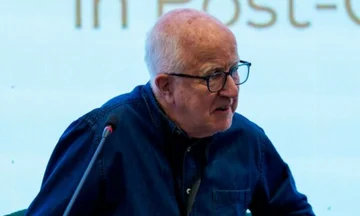
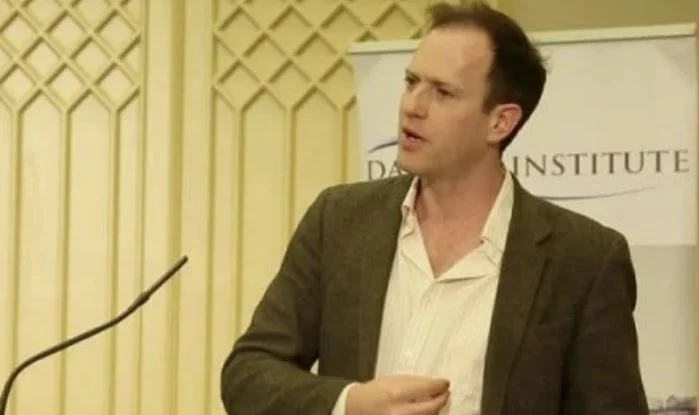
British diplomat Timothy Leses estimates that this agreement would pave the way for Kosovo for full recognition by the International Community.
“What I can say as a fact is that the EU agreement would approach Kosovo with its goal of full recognition by the international community. Serbia would have to treat Kosovo as an independent state by establishing a diplomatic mission in Kosovo, establishing trade and economic relations and recognising Kosovo documents. But on the other hand, there are some uncertainties, because Serbia will not recognise Kosovo's independence”, Les said.
However, Les has criticised the European Union's approach, due to the lack of a plan for how these agreements will be implemented between Kosovo and Serbia.
“The EU will insist that the proposal be adopted and will push for implementation, while Serbia and Kosovo will co-operate superficially by continuing to question the core elements of the agreement. This is in the nature of an agreement, which is drafted by an outside side that wants a solution to the dispute over its own goals, instead of an agreement agreed on by local parties that have decided themselves to compromise”, he added, broadcasts tove1.
And as the main problem, the British diplomat sees the agreement point seven, where it speaks of a form of autonomy for the Serb community in Kosovo.
According to him, this could affect the failure of negotiations between the two states.
“Picka seven of the agreement sets up a series of scenarios. Serbia will push for broader potential autonomy for Serbs, ideally for them -- something equivalent to Republika Srpska, defined by a clear administrative border. On the other hand, Kosovo will push for the most limited autonomy of Serbs. Meanwhile, the EU and the US will try to reconcile these positions by calling for something in this respect. My opinion is that the issue of autonomy for Serbs is the most difficult in the agreement and that the agreement will either live or die”, Les said.
At the next meeting, to be held in Ohrid, North Macedonia, European diplomacy chief Josep Borell will be present.