25 days ago
Scientists Propose to Enter Another Light
Periskopi(3 years ago)
(3 years ago)If autonomous vehicles become a common street sight, some things will have to change. First, people need to get used to some of their driving characteristics, but even infrastructure will have to adapt to such vehicles. One of these possible adjustments can also refer to traffic lights, [...]
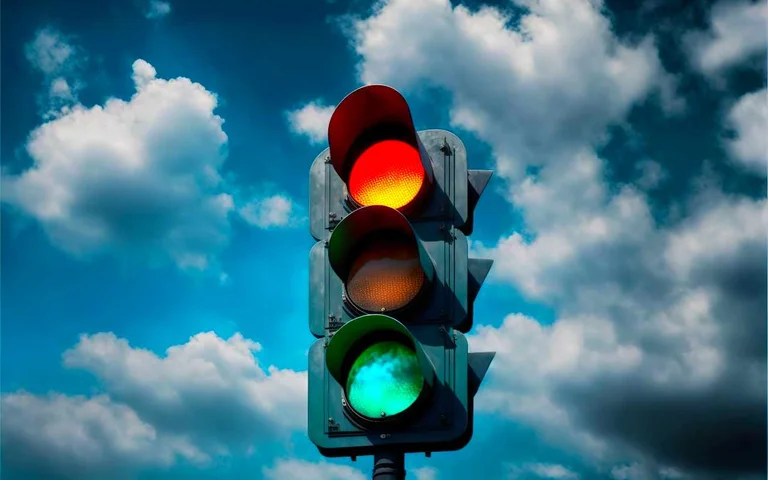
One of these possible adjustments can also refer to traffic lights - the introduction of extra lights in traffic lights that can speed up traffic and drive across intersections. At least this is how simulations are shown by North Carolina University scientists, in which the virtual road section was autonomous.
According to the scientists' proposal, when a large number of autonomous vehicles approach the intersection, this new light will be lit in traffic, announcing all road users that the traffic is in alignment with autonomous vehicles and technology. When that light is lit up, it will be, not a signal for leaders to stop, slow, or similar, but to follow the autonomous vehicle in front of them. So if you get into the intersection, you have to follow, and if you stop, the cars will stop after him. So that light would just be an announcement to the drivers that the technology that controls the lights is communicating with computer-controlled machines and together they're coordinating the movement across the intersection to be as fast as possible and without stops.
When the number of autonomous cars falls under a certain percentage, light will be turned off and vehicles will have to abide by classic traffic regulations.
Thus far-off simulations have resulted in fewer traffic receptions and lower fuel consumption, and these figures are improving with an increase in the percentage of computers driven. While this percentage is between 10 and 30 percent, there is less improvement in traffic fluency and a cut in waiting, but if the number of autonomous vehicles is even greater, the waiting time at the intersection can be reduced by 90 percent.