13 minutes ago
Massive resignations in the north: Residents where to divorce or where to report domestic violence
Periskopi(3 years ago)
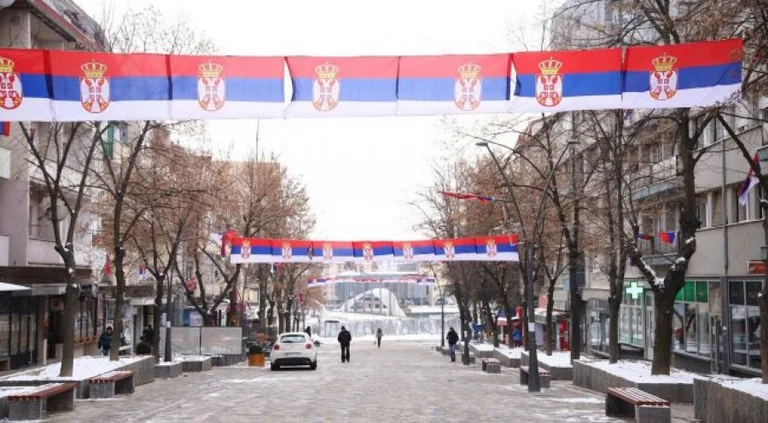
(3 years ago)Without the police to call or court to run, Serbs in northern Kosovo are trapped in the middle of another period of unrest, as a massive evacuation caused new uncertainty amid the endless withdrawal of war with Serbia. For three months, residents living in the northern part of Kosovo have been without [...]
For three months, residents living in the northern part of Kosovo have remained without basic bureaucratic services, including law enforcement, courts and local government institutions.
Those who wish to divorce, buy an apartment or report a violent husband to Serb areas have nowhere to go, officially.
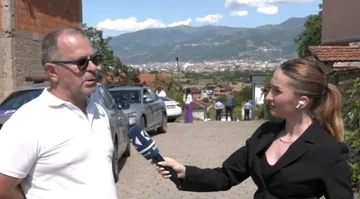
There's no police, no one to address. We must endure in silence. There is no alternative”, said Vasilije Milojevic, an 83-year-old Serbian pensioner living in the northern town of Mitrovica, the AFP writes, broadcast Klankosova.tv.
Residents in these areas said they were increasingly forced to care for each other after the recent crisis, insisting that the situation is disturbing, but under control.
The neighbours are here for each other. We also have dogs in the backyard”, Jedal Kazagic, 69, said.
For nearly 25 years, Mitrovica has been the central point of friction between Kosovo and Serbia, with a river separating the town that separates ethnic Albanians in the south from Serbs in the north.
Serbs have remained largely loyal to Belgrade and have refused to recognise the Kosovo government, with critics accusing them of serving as representatives stirring up riots at Serbia's command.
“I have no impression that what Belgrade aims at is the rights of Serbs, what it requires is the use of the Serb presence to undermine our democratic status”, Kosovo Prime Minister Albin Kurti said, discussing the situation in an interview.
Civil servants in Serb majority areas left masse in November last year with police, judges and even MPs who resigned amid a series of disputes between Kosovo and Serbia. The movement followed several months of escalation of tensions after the Kosovo government in Pristina unveiled some measures aimed at strengthening greater control over its territory, including new regulations involving ID cards and vehicle registration plates.
The plans prompted a sharp reaction in the north, with barricades emerging at the borders with Serbia along with shootings aimed at Kosovo police and international peacekeeping troops.
The new tensions came after officials in both Serbia and Kosovo agreed they were under mounting pressure from Western governments to reach an agreement to resolve their long-standing disputes and reach a kind of compromise. The exasperated dispute has lasted for more than two decades since Albanians and Serbian forces waged a sweeping war in the late 1990s, prompting a NATO intervention and the withdrawal of Belgrade government troops and personnel from Kosovo.
Kosovo Minister of Internal Affairs and Public Administration Xhelal Svecla rejected talks on a security vacuum, saying the government is capable of providing <x0 law and sequence”.
Kosovo Police are more functional than ever. There are difficulties, this is clear, but these difficulties are being created as a result of the actions of the criminal groups there, which are also supported, supported and promoted by Serbia”, Svechla said.
However, for those who hope to live a normal life, there are new barricades for the most common tasks. A 39-year-old business owner from northern Mitrovica who spoke on condition of anonymity due to local pressure said her family was in the process of buying a new apartment when mass resignations occurred.
With no one swimming their documents, they have moved between Mitrovica and Pristina, hoping to bypass bureaucracy, but without effect.
My impression is that nobody cares about ordinary people, neither those in Mitrovica or those in Pristina”, she said. “If those who left the institutions thought about what we citizens are going to do, they would do something not to get us into these” situations.
Concern also exists among the ethnic Albanian population of Mitrovica, which mainly lives south of the Iber River that divides communities.
Having no police to maintain order is a dangerous thing. It can easily get out of control”, said Nedmedin Beka, a 53-year-old car operator. “How should problems in the north be solved? I would give them anything even autonomy if they just knew Kosovo”.