16 minutes ago
Euronews: No blackmail, Kurti challenges Western pressure on relations with Serbia
Periskopi(3 years ago)
(3 years ago)Under mounting pressure from his American and European allies to reach an agreement with Serbia, Kosovo's prime minister warned on Wednesday that it would not be delivered to “Sandage”. Relations between Belgrade and Kosovo have been plagued by crisis and Western powers want to end the cycle of tensions in this corner of [...]
Relations between Belgrade and Kosovo have been plagued by crisis and Western powers want to end the cycle of tensions in this corner of Southeast Europe.
The deadline for Kosovo to sign a pact with the old enemy is fast approaching, Euronews writes.
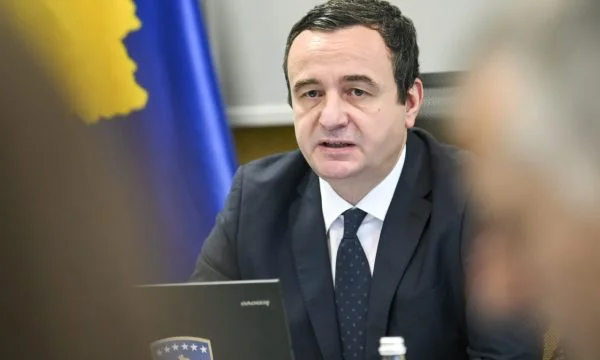
In an interview for AFP, Kosovo Prime Minister Albin Kurti confirmed that the US and the EU had demanded that Belgrade and Pristina reach an agreement by March.
For months, European and American diplomats have moved between the two capitals for that purpose, he explained.
At the centre of tensions between the doubles is Belgrade's refusal to recognise Kosovo's independence.
Kosovo, home to the Albanian majority, broke down in 2008, a decade after a bloody war ended with a US-led NATO bombing campaign.
The 15th anniversary of Kosovo's declaration of independence is February 17th.
According to Kurti, the “centre of each pact should be recognising Kosovo from Serbia, which with the support of its Russian ally blocks Pristina from taking a seat in the UN.
Our biggest “our biggest partner is that Belgrade insists on the search for time machine,” insisted the Kosovo leader.
But “is not possible. Kosovo is an independent country and it would be better for Serbia to recognise it”, he continued, saying this could accelerate Belgrade's European integration.
Western powers, led by the US, want the small Balkan territory of 1.8 million people to create an association of municipalities where citizens of the Serb minority live. This idea was proposed for the first time under an agreement bound under Brussels' eyes a decade ago.
Kurti claims this would constitute the creation of a potentially Serbian subvertial power parallel to Kosovo institutions.
Kosovo's Serb Minority, about 120,000 people, rejects loyalty to the Pristina government. Encouraged by Belgrade, there were protests and violent incidents late last year, especially in the north.
“We cannot blackmail”, Kurti said. “We are not afraid. We are a courageous people who seek just treatment, equality, and mutual recognition. ”
“It is not fair to pressure the most pro-European, more pro-American, most democratic country in the Western Balkans”, he said. It's Belgrade that should be under pressure. Serbia is not a normal country. Serbia does not know where its limit is”.
Serbian President Aleksandar Vuciq also recently complained about Western pressure to normalise relations with Kosovo.
“They said: you have to accept this plan, otherwise you will have to face a halt to the European integration process, a ban and withdrawal of investments, and a series of economic and political measures that will harm Serbia too much”, he told Serbian television.