18 minutes ago
IKKPK: Badoc water, still uncertain about drink, can be used for any other activity
Periskopi(3 years ago)
(3 years ago)Kosovo National Institute of Public Health ( The IKKPK, has indicated that the mangani's values in the drinking water at Lake Badoci still do not meet the first standards of administrative instruction. IKKPK water centre co-ordinator Dr. Burbuke Lushi, at a news conference, said that mangan values [...]
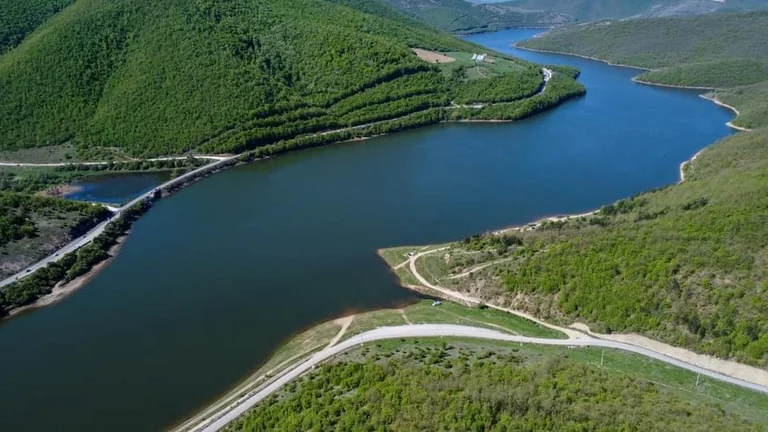
Kosovo National Institute of Public Health ( The IKKPK, has indicated that the mangani's values in the drinking water at Lake Badoci still do not meet the first standards of administrative instruction.
IKKPK water centre co-ordinator Dr. Burbuke Lushi, at a news conference, has said that the mangani's value in Badoci's drinking water is dropping in the last few days, but that they have not yet fallen to the value that is envisioned by administrative guidelines.
“This water can be used for any other day event, personal hygiene, environmental hygiene, food preparation and other”, Lushi said, while adding that the same cannot still be used for drink.
According to Lusz, low - value mangania is necessary for growth and development, but it affects the central nervous system mainly.
“Mangan is a chemical element, or better said metal, calculated or classified in heavy metals. On the other hand, there are two directions to the effects of health. Like essential metal, low value is necessary for growth and development. There's mangani everywhere. Both food and air and water. It's one of the most widely distributed metals on earth. The 0.05 values instruct us that it has no harmful effect on health, but on the other hand it affects our growth and development. Any value that exceeds preparable values, such as heavy metal, is transformed into toxicity, primarily the central nervous system, but it can affect other organization functions”, Nushi said.
The doctor noted that water from Lake Batlava's resources, as well as water from Uyman Lake, meets the presets for drinking water.
Meanwhile, IKKPK Director Naser Ramadani has said this institution is in constant co-operation with KRU Pristina, as well as the Food and Veterinary Agency (AUV).