19 minutes ago
Conjufca: We are alarmed, sanctioned Serbia
Periskopi(3 years ago)
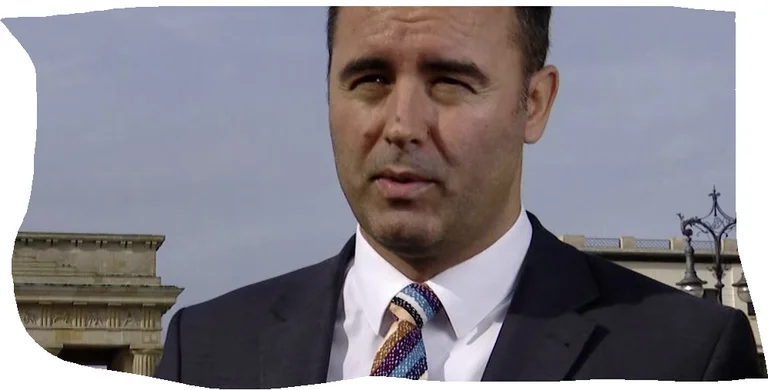
(3 years ago)In an interview with the DW Albanian, Kosovo Assembly Speaker Glauk Konjufca speaks of the current security challenges in the Balkans and the possibilities of facing them. DW: Mr. Konjufca, the situation in Kosovo is alarming, according to NATO. Are you alarmed? Glauk Konjufca: Of course, we are alarmed because we were attacked on September 24th: [...]
DW: Mr. Konjufca, the situation in Kosovo is alarming, according to NATO. Are you alarmed?
Glauk Konjufca: Of course we are alarmed because we were attacked on September 24th: It was a terrorist attack and the act of aggression of the state of Serbia over the Republic of Kosovo. Because a large armed group entered from the state of Serbia within our territory, killed police officer Africa Bulnjak, and injured others with the clear intention of annexing a part of Kosovo.
DW: How big is the risk of conflict spreading and causing a new war in the Balkans?
Glauk Konjufca: The danger is always there, but you have to understand why. It's not because we're protecting ourselves, but because Serbia is attacking.
Do your partners you met in Barry during these two days share that thought?
Glauk Konjufca: By September 24th, the thought may have been different, but after September 24th, they are convinced that the most dangerous potential for destabilising the entire Balkans and Kosovo is Serbia. Because the first one houses terrorist groups inside, the second has a clear link to the support of Serbia's army of this group, training, ranges where they exercised, military bases that they used, the weapons they used, have a direct connection with the state of Serbia. So, certain institutions of the state of Serbia, even I assume until even the president, must have known about this attack on Kosovo.
DW: What should Germany or the European Union do to help Kosovo in this situation?
Glauk Konjufca: Serbia must be sanctioned, this must happen. In the sense of security, Serbia must be quarantined, without placing Serbia in international quarantine, will always spring from there to Kosovo, towards Bosnia, even Montenegro. These three countries are targeted by Serbia. Serbia needs an international protectorate. Serbia's Army, Serbia's intelligence, defence ministry Serbia's Ministry of Internal Affairs must be monitored by EU countries, because these institutions emerge in other states and kill people, as happened to us in the September 24th attack.
DW: German Ambassador to Pristina again called for continuing dialogue on normalising relations. Do you agree with this call?
Glauk Konjufca: If they call Vucic in Brussels with Prime Minister Kurti just to take a picture, this, by Jove, seems very unnecessary right now. All Kosovo is thinking now is one thing, to multiply the strengthening of police and security institutions in that part of Kosovo. so that we can avoid a future attack coming from Serbia. That's what we're thinking about right now. I think the time will come every time.
DW: How much support are Germany having?
Glauk Konjufca: Germany was very clear in punishing Serbia's act of terrorism and act of aggression. Chancellor Scholz as well as Foreign Minister Baerbox were very clear, even in what Serbia must do, even in judging criminals. But we as Kosovo say they should be extradited to Kosovo, they must be tried in Kosovo. Serbia must hand over Radociqi to our institutions, so that he can be tried there and receive due punishment.
DW: What specific help do you expect from the European Union, since you were once dissatisfied with Mr. Borell and Lajcak?
Glauk Konjufca: The European Union, if we talk about the department leading Mr. Borrell and Mr Lajcak, is very slow and very understanding for Serbia. It's easy to condemn the terrorist act because it happened at the point of the day. They've all convicted him, all right. But no one is putting the Serbian state's responsibility for this terrorist act on display. Mr Radojciq was released within 24 hours of the Court as if he had committed a traffic violation. He was released and today he's a free citizen there. The court will call him once a month or will not call him. Other criminals are free. There are dozens more who participated in the September 24th attacks and are free. What is the state that is also a candidate for the EU?
DW: Don't you think these disputes can be solved with dialogue?
Glauk Konjufca: We were in dialogue and we learned that this country behind us sponsored groups to get in and kill the police. What does the dialogue mean?
DW: Next week, the Berlin Process summit is held in Tirana. What do you expect to happen?
Glauk Konjufca: We support this format, but I expect that first is clearly stated on September 24th. Explain that it is a direct threat to the European integration project, even more directly to the responsibility the Serbian state has held in the act of aggression on September 24th. I expect this from the Berlin Process. If this does not happen, it will grieve the entire region and all progressive forces in Europe.
DW: A wish expressed by Prime Minister Kurti is the addition of German forces in Kosovo. Why is the presence of Germans in Kosovo so important?
Glauk Konjufca: German presence is most welcome because there have been other countries, such as Great Britain, who have sent additional troops, and other European Union states have sent additional troops. But adding KFOR's presence is necessary for only one reason: NATO in Kosovo is to prevent a possible invasion of Serbia, an invasive attack on Serbia's part of Kosovo. If it does come, NATO should be ready, and Kosovo's borders are also at the responsibility of defence from NATO, but the first responsibilities to react to any attacks the Republic of Kosovo has. Even in the sense of rule of the law, KFOR says very clearly, and NATO says very clearly, both from Brussels and NATO headquarters, that the main responsibilities are Kosovo security institutions. And they commended the Kosovo police for a very professional response to the break-up of this terrorist group that we had on 24 September. So further deepening of our co-operation with NATO must continue.
DW: The conflict in Ukraine was recently added to the conflict in the Middle East, with the attack on Israel, while the Kosovo conflict remains pending...
Glauk Konjufca: No, Kosovo is not a conflict. We have declared our independence in 2008 and have now come to the level of our security institutions, as prepared as they can be defeated by gangs and terrorist groups. That is a great achievement, not conflict. Serbia wants conflict, but we eliminate it, with our institutions any attempts to fuel conflict in this way.
DW: However, there is a need for peace in this region, for a normalisation of relations, for the region to continue on the path to integration. Albania's Prime Minister, Edi Rama, has proposed that an international conference be held in which decision-makers will stay and not come out without an agreement. What do you think of this proposal?
Glauk Konjufca: I don't think the best idea: I think the international factor needs to invite Serbia to a conference and convince him that we cannot move forward without recognition of Kosovo. Without the recognition of Kosovo on the part of Serbia and without changing this power structure in Serbia, which is sponsoring these groups that destabilise all these states, starting in Kosovo and Bosnia, Montenegro and so on, I don't think we can move fast into European integration. This, for example, holds Europe hostage. But the real source, why we have all these destabilisation in the Balkans is just one reason: that Serbia is not comfortable with its borders, thinks in a less than meritably it is less than it deserves from the breakup of Yugoslavia. That's why her hegemonist policy. And we do not need an international conference on Kosovo. The international conference needs to be held for Serbia's democratisation, so that the state forces -- the army and the sponsorial intelligence of terrorism -- are not there, since the 24 September act confirmed.