4 minutes ago
Serbian Minister: Belgrade's red lines to Pristina, not recognition, UN membership
Periskopi(3 years ago)
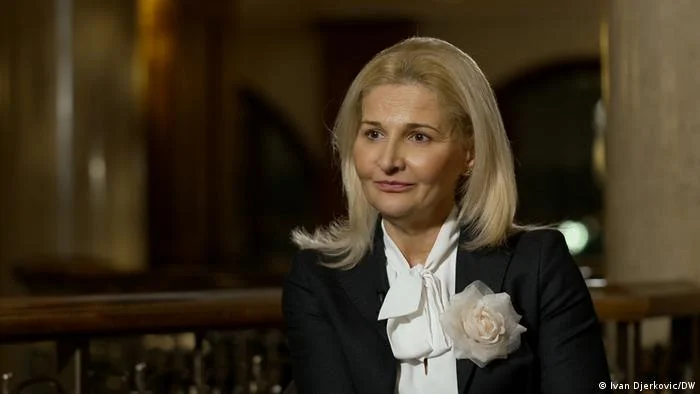
(3 years ago)Serbia's Minister for European Integration, Tanja Miscevic, talks about reports with Germany, dialogue, Kosovo, liberalisation, red lines in dialogue. Serbia's path to the European Union definitely runs through Berlin, says Tanja Mischevic. Serbia's Minister for European Integrations during this week had a series of meetings in Germany's capital. In an interview for [...]
In an interview for Deutsche Welle, she stressed that Berlin “is very interested in Serbia, both economically and in bilateral reports through large investments, because a large number of people in Serbia are employed in German companies. While Germany also offers numerous bilateral aid, which is the greatest change annually compared to all other countries”. But there are also topics that distinguish these two countries.
Serbia's “
Speaking of dialogue between Serbia and Kosovo, Mischeviq estimates that the US delegation's recent visit to Belgrade was “an incentive for something that has not been implemented by the Brussels Agreement, which is the formation of the Association of Serb majority municipalities”. “This is not Serbia's caprico”, says the minister, “is an urgent need of Serbs as collectives to protect their rights. ”
Stressing that she is not involved in the dialogue, Mischevic however declares that “Serbia is always for conversation and dialogue. But with very clear red lines: No recognition of independence and NO membership of Kosovo in the United Nations”.
Serbia's Minister for European Integration, Tanja Mischevic, claims in the interview for DW, that Serbia does not lobby and does not oppose visa liberalisation for Kosovo citizens.
Bilateral Reports
“Germany invests in Serbia precisely because it sees it on the European road and because it understands this European path”, says Mischevic and adds, that “German is also a model for Serbia in many areas from rule of law and media freedom, through power and economic stability, to issues related to green transition and energy diversification. ”
Asked what relations between Belgrade and Berlin are today and whether they are the worst after the coming to power of the Social Democrats, greens and liberals coalition, the minister replied, he does not think relations have deteriorated. But it underlines that issues, such as dialogue between Serbia and Kosovo, strongly shape relations between Germany and Serbia. “The focus now is on dialogue and other areas, on reforms that are immediately behind this topic. ”
Sanctions against Russia?
“at the same time, we should in no way forget the new geostrategic situation caused by war in Europe, the war in Ukraine, which is also one of the elements of differences in attitudes between Serbia and Germany”, Mischev stressed.
Responding to the question, why Serbia does not impose sanctions on Russia and thus harmonise with EU foreign policy, the minister stresses that this is only one of the elements of foreign policy and remembers that “Serbia supports Ukraine's territorial integrity and condemns Russian aggression. ”
“We faced these criticisms even during the visit here to Berlin and explained that there are reasons (not to impose sanctions) related to dialogue, there are reasons related to full dependence on Russian gas and oil. (...) And the third important thing is the emotional attitude of citizens who know very well what it means to be under sanctions”. /dw/