13 minutes ago
It started in 2008, Europe's largest infrastructure project towards completion
Periskopi(4 years ago)
(4 years ago)After a decade of planning, construction of the longest tunnel under water is moving rapidly. The tunnel, connecting Denmark and Germany, is expected to open in 2029 and will significantly cut travel time between the two countries. A section of the tunnel is expected to be ready at the end [...]
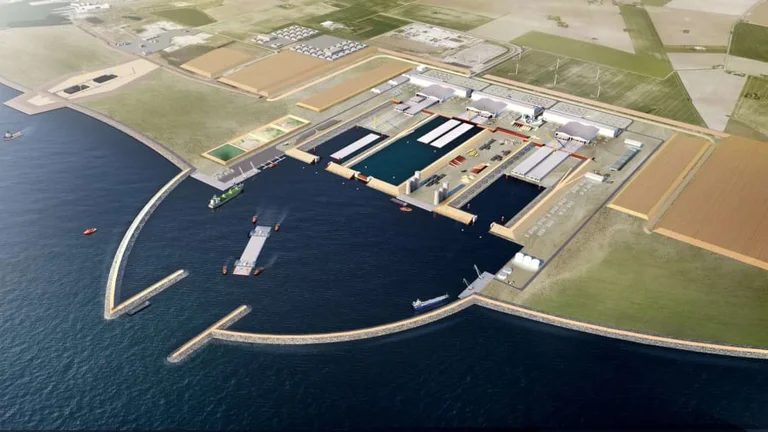
A section of the tunnel is expected to be ready at the end of the year, or early next year. At the moment, a temporary port has just been completed in the Danish area. The factory that will build tunnel sections has also been established. Each section will be 217m long, 42m wide, 9m high and weighing 73,000 tonnes. ”
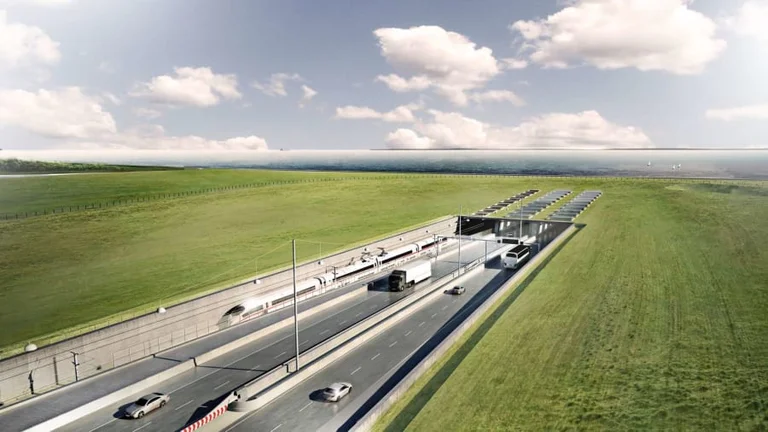
The Fehmarnbelt tunnel, 18km long, is considered one of the largest infrastructure projects in Europe, with a construction budget of about 7 billion euros. It will be built along the Fehmarn Belt, a strait between the German island of Fehmar and Lolland Danish island, as an alternative to ferry transport used by millions of passengers each year. The trip, now lasting 45 minutes on the ferry, will last only 7 minutes by train and 10 minutes by car.
Fehmarnbelt Fixed Link will be the longest tunnel in the world, roads and railways. It will consist of two double-track highways and two railway tracks.
Today, if you were to take a train trip from Copenhagen to Hamburg, it would take you about four and a half hours. When the tunnel is completed, the same journey will take two and a half hours. In addition to these advantages, the tunnel will have a positive effect on the transportation of goods, creating a land route between Sweden and Central Europe, which will be 100 miles [160 km] shorter than it is today. ”
The project dates back to 2008, when Germany and Denmark signed a treaty for tunnel construction. Later, it took more than a decade to adopt legislation needed by both countries and to conduct geotechnic and environmental impact studies. The process ended without problems from the Danish side, while in Germany a number of organisations, ferry companies or environmental groups strongly opposed the adoption of the project.