27 minutes ago
Russia mobilized prisoners: Freedom in exchange for War
Periskopi(4 years ago)
(4 years ago)There is increasing evidence that Russia is sending convicts from prisons and colonies to the war in Ukraine. They are promised freedom and money and often go to the front line unprepared for what lies ahead, Deutsche Vele reports. Russia is long suspected to send prisoners, even to war. [...]
They are promised freedom and money and often go to the front line unprepared for what lies ahead, Deutsche Vele reports.
Russia has long been suspected of sending prisoners to war, who thus “buy” freedom. This week, a video showed up to support this.
In the Telegram channels, supporters of the imprisoned opposition leader Alexei Navajo distributed a video that allegedly originated from a prison colony.
There a man recruits prisoners lined up in front. The man is bald and in an olive-like military uniform with a sign to recall the Russian Federation's “Hero Prize, which is the highest honour in Russia.
Many recognized the man as the controvers businessman Yevgeny Pigozin, a person close to the Kremlin, who is believed to be in reality running the private mercenary army “Wagner”.
War is hard, says the man in the video, needs people to fight. Hence, he promises prisoners freedom and money if they go to the front for half a year.
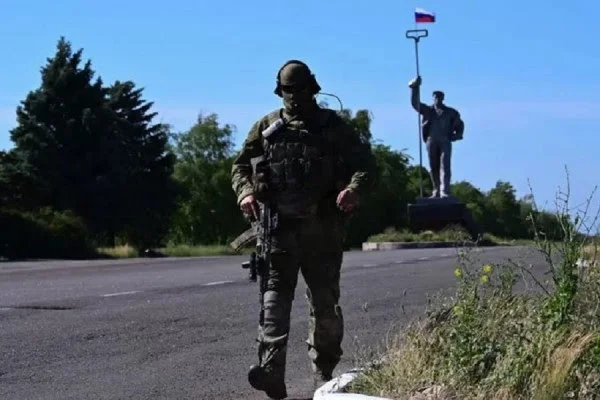
“Prpgozhin makes an effort and personally visits criminal colonies,” told the DW in August Olga Romanova, chairman of the human rights organisation “Russia Behind Bars”. She claimed that Russian prisoners were on the front for the first time in mid-July near Lugansk.
Romanoa estimates there may be up to 60,000 prisoners in combat now, which would be a large percentage of every tenth convict.
Among the new fighters, it is said that there are also serious criminals. But people like Ruslan, a young man who was just 20 years old and involved in minor crimes. His cousin Svetlana told DW that Ruslan was among about seventy people in a prison that was registered for war in early July.
Otherwise the young man would be released from prison in less than a year. Svetlana says a relative called in August and demanded that “be saved urgently from Ukraine. She has already appealed to the State Attorney, but without success.
In Russia, some nationalists and journalists call out loud for general mobilization following the Ukrainian Army's successes in nearby Kharkiv. The Kremlin, on the other hand, still holds to the version that a special military “ ” is under way and not a war.
Chechen leader Ramzan Cadyrov proposed on Thursday a kind of regional mobilization, under which each region would find at least a thousand volunteers” and train and equip them. This would give the country 85,000 people, which is “almost an army”, Caderov wrote on the telegram.
A similar figure of 90,000 said a representative of the Ukrainian Defence Ministry when he praised on television in late August how many people are aiming to mobilise additional Russia. Kiev estimates that Russia has sent a total of 160,000 soldiers and fighters to Ukraine so far.
In August, the Russian newspaper Komersant wrote that volunteers from Russia make up about 40 units. Recruiting fresh blood for war also takes place in occupied areas of Ukraine.
Recently, President Vladimir Putin has ordered that the regular army be strengthened by about 130 thousand people, and that its decree will take effect early next year.
But it seems the Russians need people much faster. Although precise figures are held by the public, the Ukrainian side estimates that some 50,000 Russian soldiers died in the war. The Pentagon's estimates are more modest, reaching 20,000 Russian fighters killed last month, but Moscow is silent about it.
According to Olga Romanova, prisoners from Russian prisons and criminal colonies who are sent to the front line, even though they are poorly trained, are at stake.
Romano says prisoners are usually ready to go to war.
For them, the only chance to start a new life is often to go and take the lives of other people”, she adds.