13 minutes ago
Maliqi: Do not dismiss the possibility of indirect “recognition” between Kosovo and Serbia
Periskopi(4 years ago)
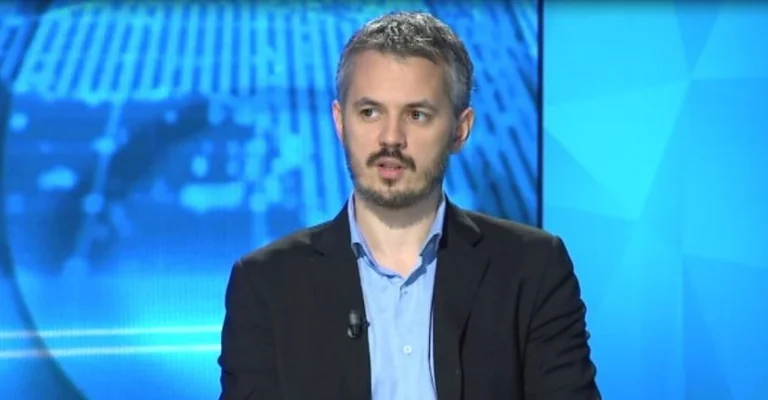
(4 years ago)Political affairs expert Agon Maliqi in his Facebook post has said that it should not be completely ignored “indirect recognition” between Kosovo and Serbia. According to him, Kosovo should not give up the request for direct recognition, but what Maliqi calls “indirect recognition” that will [...]
According to him, Kosovo should not give up on the request for direct recognition, but what Maliqi calls “indirect recognition” that would be an agreement for failing to unblock Kosovo for membership in international and European organisations according to him is “deo fact” recognition.
Maliqi says this “indirect recognition” would be “facewashing” for Vuciqi and would lower the cost of compromise on the part of Kosovo, as according to him, Kosovo has no guarantee of access to the UN where Russia is the obstacle.
The inability to impose a paralytic compromise that would undo the effect of international recognitions is Belgrade's main concern. Not by chance voices from the “the deep state” clerico-fasist-nationalists in Serbia are somewhat alarmed by recent developments. It remains to be seen who will join them in Kosovo.”, Maliki writes.
This is his full handwriting:
Kosovo should never formally give up the request for direct recognition. But it should not be forgotten that even the “indirect recognition” which opens the way for Kosovo to recognise EU states/ NATO and membership in international organisations (especially those Europeans) are de facto recognition, because it largely solves Kosovo's biggest isolation problem. Let Serbia not formally recognise a state which for several years (due to the removal of obstacles) could be part of NATO. However, “indirect recognition” under the model of the two Germanys, as the form of “to save face” for Vuciq, should also reduce the cost of compromise on the part of Kosovo. This, even for the fact that Kosovo has no guarantee of entry into the UN, where the obstacle is Russia, which has its own deals with the West. The inability to impose a paralyzing compromise that would undo the effect of international recognitions is Belgrade's main concern. Not by chance are voices from the “deep state” clerical-nationalists in Serbia are somewhat alarmed by recent developments. It remains to be seen who will join them in Kosovo.