7 minutes ago
Lajcak, new advisers from Germany, France visit Kosovo, Serbia
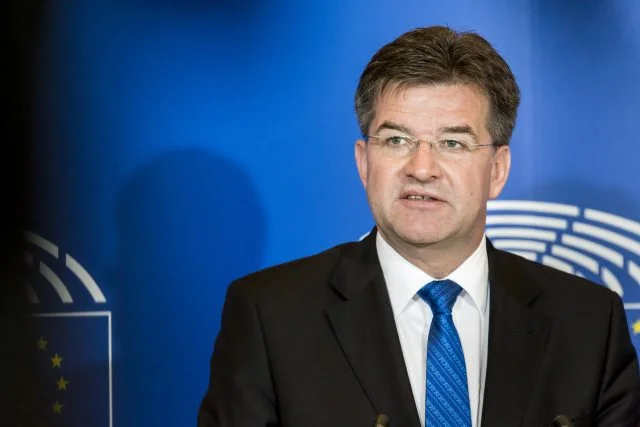
Periskopi(4 years ago)
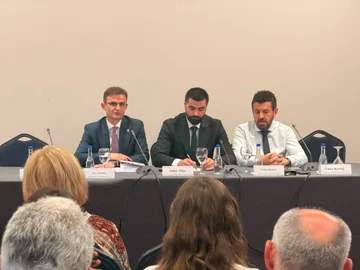
(4 years ago)The European Union's special envoy for the Kosovo-Serbia dialogue, Miroslav Lajcak, accompanied by Germany and France's two newly appointed advisers for dialogue, will visit Pristina and Belgrade on 9 September. The purpose of the visit is “to explore options for progress in dialogue”, EU Free Europe spokesman Peter told Radio Free Europe. [...]
The purpose of the visit is “to explore options for progress in dialogue”, EU Free Europe spokesman Peter Stano told Radio.
“During the visit are scheduled separate meetings with [Kosovo Prime Minister Albin] Kurti and [Serbia's president, Aleksandar] Vuciq”, Stano confirmed.
German Chancellor Olaf Scholz, and French President Emmanuel Macron announced on Saturday that they have committed their advisers to support dialogue on normalising relations between Kosovo and Serbia.
In a letter sent to Kurti and Vuciqi, the two leading EU leaders urged them to show determination and maximum readiness to make difficult decisions, which will bring progress in the dialogue.
“Removal complete relations between Kosovo and Serbia is essential for the Western Balkans”, said, among other things, on paper.
Speaking of REL, Stano said the EU “wants to do as much as it can to help both sides find the necessary compromises” and that “lead the dialogue to the end”.
Lajcak, along with US envoy for the Balkans Gabriel Escobar, stayed in Kosovo and Serbia at the end of August.
Following their diplomatic commitments, the two countries reached agreement on the free movement of citizens, respectively, on the removal of its entry/scaling documents.
Serbia, for more than a decade, has issued special documents to Kosovo citizens who have entered its territory.
When the Kosovo government has taken reciprocal measures from August 1st, some local Serbs in the country's north have rebelled and established barricades to prevent authorities from implementing their decision.
Due to increasing tensions and with the international community's suggestion, official Pristina has delayed implementing that decision for 30 days.
But, meanwhile, the agreement has been reached on abolishing the entry/speed documents on both sides.
Kosovo and Serbia have been in talks on normalising relations since 2011.
Currently, the issue of car license plates remains.
On September 1st, the Government of Kosovo has started implementing its decision to reregister cars with license plates that Serbia issues to the RKS Republic of Kosovo.
Belgrade expects negotiations on this issue as well, however, proposes neutral plates on Kosovo's status, but this Pristina rejects.
Asked about the planning of any possible round of talks between the main drivers of the dialogue, Kurti and Vuciq, Stano said:
For this, we always have to have a deal from both sides. That means they should agree to the timing and agenda of that meeting”.
Kurti and Vuciq met for the last time on August 18th, following tensions in the north, but no agreement came out of that meeting.