24 minutes ago
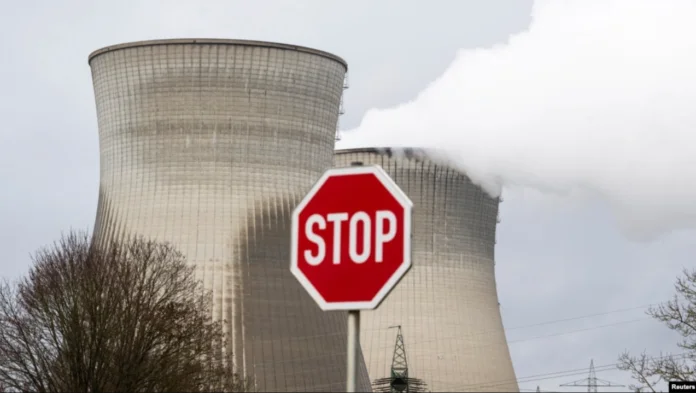
Despite the energy crisis, Belgium closes the nuclear reactor
Periskopi(4 years ago)
(4 years ago)Belgium has continued with the plan to close a nuclear reactor on September 23rd, despite calls to rethink this decision because of fears that there may be reductions of electricity during this winter. Found between France, dependent on nuclear energy and gas - dependent Germany, Belgium depends on [...]
Found between France, dependent on gas - and - coal - dependent Germany, Belgium depends on half of its demand for electricity from seven outdated nuclear reactors operated by Engie, French companies.
The closure of one of the four reactors at the Doel plant, near Antwerp, is the first step in the 2003 decision to have the state completely relinquished from nuclear reactors by 2025.
In February, even a reactor at the power plant in Tihang, 30 miles [50 km] from the German border, was closed, as activists have demanded that Germany stop producing power through nuclear power plants for decades.
Both of these reactors in 2012 were found to have several holes in several units, which forced authorities to deuse.
During this month, a political crisis has been sparked, as Interior Minister Annelies Verlinden demanded that the closure of reactors be postponed, causing outrage at the Green Party.
Greens had set it as a condition to give up nuclear power plants when they joined the ruling coalition in 2020.
Verlinden's request took place in the context of Ukraine's Russian occupation and disruptions of energy supplies to Europe, which have raised fears that the continent will face power reductions in the coming months.
Furthermore, France is also in danger of facing reductions in the current, as half of the country's nuclear reactors are subject to maintenance.
“With the risk of reductions in France during the winter, with Germany leaving nuclear energy despite running out of gas supplies, we know we will face major challenges”, said former Belgian Energy Minister Marie-Christie Marghem.
Her party, which is also part of the ruling coalition, has also called for the country to give up nuclear power.
However, the state energy operator in Belgium, Elia, said she does not expect supplies to be at risk.
“We have sufficient power generation capacities to cover the” requirements, a Elias spokesman said.
Since Moscow began the invasion of Ukraine on February 24th, the energy crisis in Europe has deteriorated, while Europeans are expected to pay more expensive energy bills during this winter, and some countries have warned there may be reductions. / REL