6 minutes ago
Serwer: Kurti Vuchef's near
Periskopi(4 years ago)
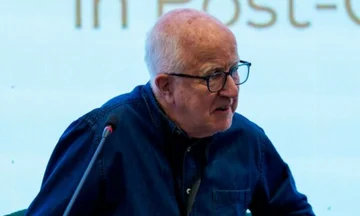
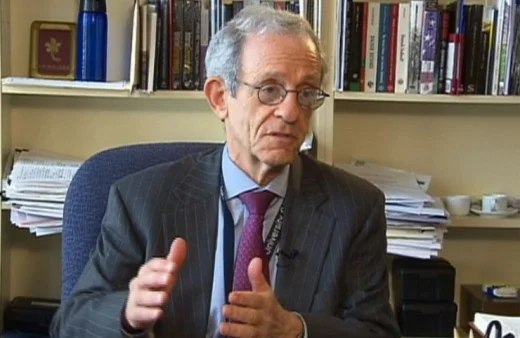
(4 years ago)Daniel Serwer, professor at John Hopkins University, estimates that the agreement between Kosovo and Serbia “does not look close”, but adds that it “is not impossible”. “I am often asked if a “conclusion agreement” is imminent. Of course not. Vuciq has returned to Milosevic-style claims of Serb victims and focuses on [...]
I'm often asked if a “concluded” agreement is imminent. Of course not. Vuciq has returned to Milosevic-style claims of Serb victims and focuses on the Association of Serb majority municipalities agreed (but not implemented). Gervala-Schwarz will not be satisfied with less than progress towards mutual recognition. In the concrete case of the license plates, this would imply a strictly mutual solution”, Serwer says in one Write last one.
The issue is not about license plates, he says. “meant for sovereignty”.
Kosovo is insisting on reciprocity because this is the rule among sovereign states. Serbia rejects reciprocity because this is the rule among sovereign states”.
This circle, I think, could be square. The association Vuciqi wants will look different in the context of mutual recognition. Kosovo's Constitutional Court has already made it clear that there can be no executive functions. The association could eventually be useful to calm Kosovo's northern municipalities. Without executive and recognition functions, it is not a potential threat to Kosovo's sovereignty”, says Serwer.
The problem, according to him, is that the <x0-track to this solution is not clear”, the Express follows.
Neither Vuciq nor Kurti have anything to gain in domestic politics by a solution. No one thinks they should surrender to gain international advantage”, says Cerwer.
Policy expert in the Balkans argues that “Serbia has returned to aocracy” and that its “democratics are divided and weak”.
Her “Ethonologicalists are strong. The media environment is less than free. Public discourse very often focuses on the Serbian “world”, a remake of the 1990s Greater Serbia, recycled through the Russian “bot” of Putin. The Serbian world threatens the territorial integrity of not only Kosovo, but also Bosnia and Montenegro. Belgrade expresses EU ambitions, but in practice protects its bets. It has strengthened ties with Russia and China, even during the war in Ukraine. It has failed to bring about many EU foreign policies, including sanctions against Russia. Progress towards EU membership has slowed into a” drag, Serwer recalls.
While Kosovo, describes it as a living democracy, “with free media and strong political competition”.
The “Electorate is impatient for an agreement with Serbia. Kosovars hope it will force the EU to fulfil its pledge to abolish visas, encourage five EU states to recognise Kosovo's sovereignty and enable faster progress towards NATO and EU membership. However, Prime Minister Kurti has great local support to insist on reciprocity. He lacks international options. Neither Russia nor China are interested in friendship with Kosovo. Kosovo enthusiastically walks with NATO and the EU, which pressure Kurti without mercy”, writes Cerwer.
Serbia's “problem with Kosovo license plates descends to a RR for Republic”, Serwer notes.
“Belgrade does not want to accept travel to Serbia plates that display that formidable symbol of sovereignty and the upcoming documentation. Kosovars have spent ten years covering the R and receiving alternative documentation for the sake of not offending Serbian sensitivity”, he writes.
Serwer says that “is the time for Vuciq to realise that this tart storm is unworthy of an EU membership aspiring”.
When they live in Kosovo, Serbs must do as Kosovars do. Travel with an R on their plates. That means they accept Pristina's governing authority in the north, which Serbia already did in a 2013 <x1political> “>> with Pristina. It's not that difficult: ”, it ends Serwer.