11 minutes ago
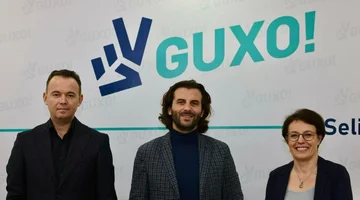
Selimi at Atlantic Council urges completion of dialogue
Periskopi(4 years ago)
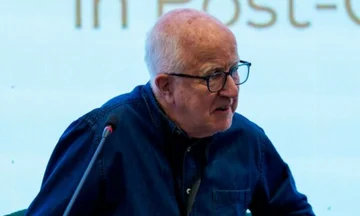
(4 years ago)Petrit Selimi, former Kosovo foreign minister, in an authorial writing in the Presidential Organisation of the Atlantic Council in Washington, has demanded that “Brussels and Washington change their formula of inefficient diplomacy last minute to solve crises. Lasting reward in the Balkans is much greater than political capital [...]
Petrit Selimi, former Kosovo foreign minister, in an authorial writing in the Presidential Organisation of the Atlantic Council in Washington, has demanded that “Brussels and Washington change their formula of inefficient diplomacy last minute to solve crises. Lasting reward in the Balkans is much greater than the political capital needed by Brussels and Washington to finally close this chapter of the conflicting atmosphere between Kosovo and Serbia. ”
Selimi has asked the West to take measures against Serbia:
Serbia must stop its war action against Kosovo. Its media landscape, under the full control of the government in Belgrade, has spread hate languages against my country for a long time. For their part, the EU and the United States should be more powerful to force Serbia to choose its geopolitical orientation once and for all, instead of trying to play with both sides. There are some indicators that this has already begun; but careful dancing about the thorniest problems in the Balkans will not suffice to prevent the crisis and bloodshed. ”
At the same time, Selimi has also confirmed that without the final agreement with Serbia, Kosovo will hardly benefit recognitions from the five EU states that do not recognise Kosovo:
Kosovo cannot expect recognition from the remaining five EU nations that do not recognise its citizenship without a comprehensive normalisation of relations with Serbia. Spain, for one, has already indicated that this would unblock its recognition, which in turn would allow Kosovo to become a signatory of the Partnership for Peace and pave the way for its eventual NATO membership (which Washington supports). Bringing investments, tourism and much needed integration to the Council of Europe, NATO and other organs where Russia does not have veto rights depend on this normalisation. ”