5 minutes ago
NASA with a new attempt to launch missile to the moon
Periskopi(4 years ago)
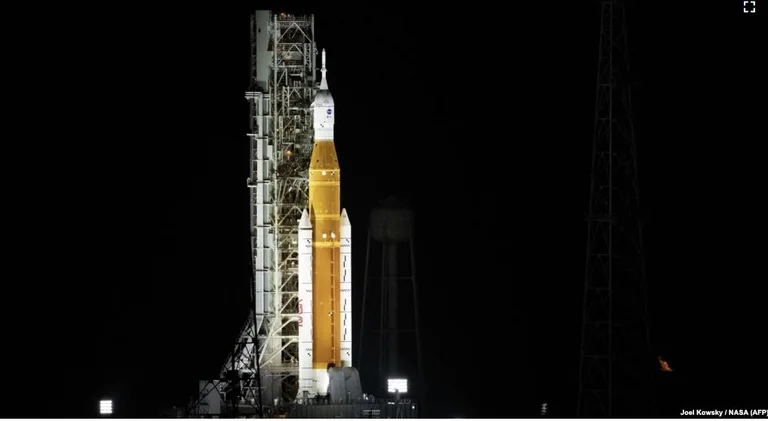
(4 years ago)The US National Aeronautics and Space Administration (NASA) will make the second attempt Saturday, September 3rd to launch its new Space Launch System (SLS) rocket into the moon. The first attempt on August 29th to launch this moon missile was cancelled due to technical problems on one [...]
The first attempt on August 29th to launch this Monday missile was cancelled due to technical problems on one of the engines.
After the data was collected, engineers said they now believe they understood why one of the four rocket engines failed to cool at the required temperature for operation. Engineers said they have developed a strategy to deal with this problem during the second attempt to launch the missile.
“We have a plan we need to follow so that we can achieve target”, said John Honeycutt, who manages NASA missile project SLS.
The launch of the missile on Saturday is meant to happen at 2:17 local time. The rocket will be launched by Kennedy Air Station in Florida.
Engineers will have two hours to launch the warhead from Earth.
SLS rocket is the biggest tool it ever developed NASA. This rocket will send the capsule called Orion to the moon, originally without a crew. But the new program of NASA, Artemis, aims to then send people to the moon.
The Orion capsule will be on a 42-day mission around the moon before heading toward Earth and ending up in the Pacific Ocean, near California.
The main objective of this test flight is to see if the protection of the capsule can survive high temperatures with it revised into Earth's atmosphere.
NASA said missions towards the moon are part of its programme to learn more about how to achieve on the planet Mars.
But future program missions will focus on the moon's South Pole, where there are craters with ice reserves.
“Artemis is an increasingly complex series of missions to explore the moon in preparation for missions on Mars. When we go to Mars, the more we learn what resources are available to us and how we can use them, the better it will be for us to”, NASA's leading scientist, Kate Calvin, told the BBC.
The team of engineers plans to launch the SLS missile cooling process about 45 minutes earlier before the initial time for launching the rocket on Saturday, hoping they can cool the engines over time.
But weather conditions on September 3rd are not expected to be the most favourable. Currently, 60 percent are projected to have rainfall, and the SLS is not allowed to leave if there is rain.
For the first time in the moon, Neil Armstrong and Buzz Aldrin set foot in 1969 under the Apollo programme, launching the so-called golden age of space exploration.
But the new NASA missions are expected to be different than the Apollo programme, as the US agency wants to send the first woman and the first colored person to the moon, showing that space exploration is open to all.