8 minutes ago
Kosovo Albanians, Serbs hope for dialogue to calm the situation
Periskopi(4 years ago)
(4 years ago)The stances of Kosovo Albanian and Serb residents were mixed during the past weeks when tensions rose, though they generally do not want a new conflict. Some are already involved in joint activities, not interested in political rhetoric. The issue of converting Kosovo Serb license plates [...]
Some Kosovo residents of different ethnicities do not allow charges and political charges to prevent them from working together.
Mentor Gashi and Slavisa Stojanovic run a dog shelter in Pristina. This is a rare example of good interethnic relations in Kosovo, where tensions between the two groups have remained present since 1999. Kosovo's population is divided into 90% Albanians and 5% Serbs.
I've never heard bad comments in Pristina or Gracanica. I don't think our co-operation creates problems for someone to have two people from different ethnicities working together. For me, this is a positive”, Gashi says.
We haven't had any problems in 10 years. And we have good relations with his family, and I have good relations with my family, we know each other, we go home to each other. We never talk about politics. Let him think about it. We have to work as people, as brothers, to help each other as much as we can”, Stojanovic says.
About 50,000 Serbs live in northern Kosovo, near the border with Serbia. Another 40,000, including Mr Stojanovic, live south of the Iber River and use plates issued by the Kosovo government.
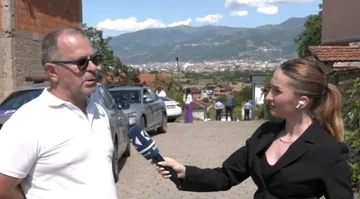
We Albanians must be more determined and stop the barricades before they are established. We need to send the police there and set up checkpoints before these roads are blocked”, Xhafa says.
“Barricades are never good. First we are stumbled, living outside Kosovo, and we must travel. There are times when the border points are blocked. Barricades on the street are not good for either us or Serbs”, Haliti says.
But on the northern side, where residents do not recognise the government and Kosovo institutions, Serbian resident Miodrag Radosevac said he does not believe tensions will escalate.
“I think it will not come to the escalation of tensions, believed wisdom will prevail with President Vuciq and Prime Minister Kurti, because this is the only thing that is best for Serbs and Albanians”, Radosevac said.
The one who wants to go to war, let him bring his children and wage war with his children, not with other people's children, because the children of others are holy to someone”, Arsenijevic said.
Nenad Radosavljevic, editor-in-chief of Radio Television “Mir” that broadcasts to Serbs in the north, said only one concession from Kurti for greater autonomy for Serb majority zones could unblock the issue of license plates.
I think the only option to solve the entire current problem involving license plates and personal documents is for Mr. Kurti to compromise and raise the issue of the Serbian Communist Association. Then Mr. Vuciq would also have reason to make concessions on license plates and personal documents, while Mr. Kurti would have reason to insist on his idea of targae”, says Radosavljevic.
The recent statement Kosovo prime minister has made on the issue is the commitment given after meeting with NATO chief on Wednesday, that he will continue with the implementation of the conversion of Kosovo Serb license plates from September 1st with license plates issued by the Republic of Kosovo.
“We will also implement converting plates. First of all, Serbia itself has been reconciled since mid-January 2018, will not produce plates from Milosevic's time and they will no longer force Serbs to use them. Therefore, four years later we are implementing something, which under our Constitution and law is legal, but on the other hand, based on Serbia's pledges during the dialogue process in Brussels, is also binding on them”, Kurti said.
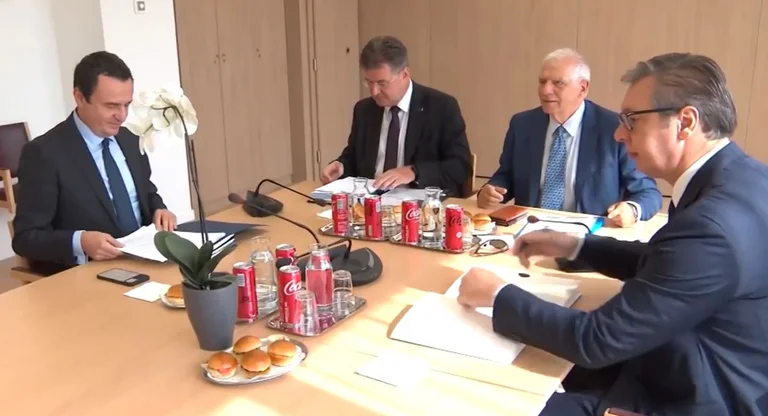
The Serbian president, before going to Brussels, had indicated he is unwilling to make concessions on the license issue.
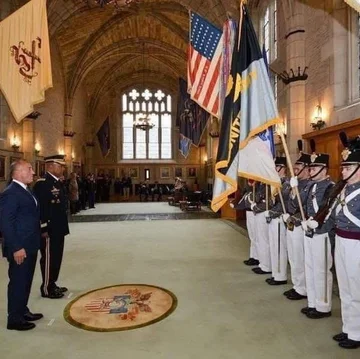
“As for the license plates, the situation is clear enough for us, if someone wants to apply it, it can only be done by force, and you can do anything with force, but you don't know what you can do with force. But, you can't expect Serbia to do anything or in any way facilitate or help with legal regulation of the problem. Also, do not count on the fact that you can commit a massacre, which will eliminate the Serb population and expel our people”, President Vuciq said after inspecting an exhibition of weapons produced in Serbia at a Belgrade military academy.
In Washington, US State Department spokesman Ned Price said the US views the dialogue taking place in Brussels as a priority.
We fully support this dialogue and consider it a priority. We want to see progress in implementing past agreements. Dialogue and compromise are critical elements of governance and should not be seen as signs of weakness. We hope the leaders of Serbia and Kosovo understand the importance of moving forward, not back, through the EU facilitated dialogue” said Price, citing the fact that State Department official Gabriel Escobar is in Brussels, though the US is not a direct participant of dialogue.
Recent tensions were also why the chief of NATO met on Wednesday separately with leaders of Kosovo and Serbia.
When necessary as we've demonstrated it all the time, we can increase our presence in the north, just as we've done in recent weeks. We also have regular patrols of NATO troops in the north. Our measures will be clear and we will do what is necessary to prevent escalation and ensure the freedom of all communities in Kosovo”, Stoltenberg said.
NATO peacekeepers have been seen on the streets near the Jarinje border point with Serbia and near North Mitrovica. In Kosovo, there are nearly 4,000 troops, and currently this is the largest military presence outside NATO territory. / VOA