3 minutes ago
Inexplicably rising deaths after pandemic lead heart disease
Periskopi(4 years ago)
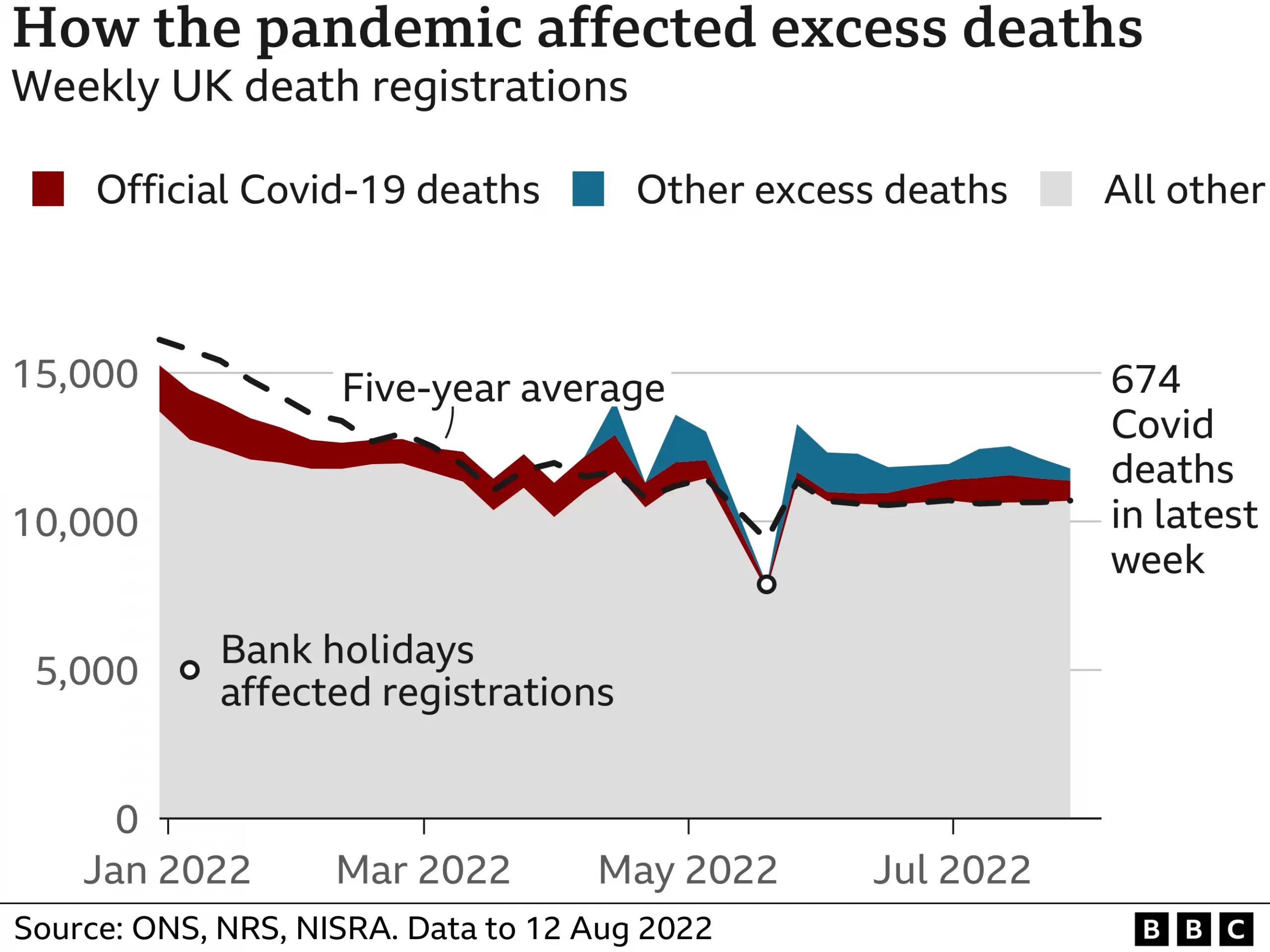
(4 years ago)The threat by Ovidius may have been reduced, but other concerns are rising over the high number of total deaths that are being recorded in Great Britain in recent months. According to the BBC, data from statistics on the United Kingdom shows that over the last 10 weeks the number has been 12% [...]
By BBCThe data from statistics on the United Kingdom shows that over the past 10 weeks the number has been 12% higher than expected, based on the average of previous years.
The deaths associated with Ovidius are as they were for most of the last year very low, representing about 4% of deaths in July, ranking the sixth for the largest cause of death, reports abcnews.al.
So, what else could be causing this strong growth?
The hot weather the country has experienced in recent weeks is a small, even factor, according to local media.
Data from the Office for National Statistics shows in days of extreme heat about half the days during July: Death rates were more than 6% higher in England than they were in other days.
Factors That Could Have Affected
Another issue is population aging. The main records of excessive deaths do not take into account the fact that there are now more elderly. This could be responsible for more than half the deaths.
What about the rest? One theory is that people are left with weaker immunity because of Ovidius.
Research shows that vivid infection increases the risk of heart disease afterward.
Pandemia has also led people to become more predisposed to the disease by alcohol consumption and increased physical inactivity levels.
And in the early stages of pandemic, many people stayed away from hospital service, making visits to doctors dropped by 50%, reporting abcnews.al.
The decline in the number of visits has increased fears of an increase in late diagnosis of cancer and a deterioration of chronic diseases, such as heart disease.
There are still no signs of increased cancer deaths, perhaps a few years may be in agreement, but Mamillan Cancer Spupport estimates there are still more than 30,000 missing cancer cases that have not yet been diagnosed and whose chances for survival will be put at risk if they are diagnosed later.