3 minutes ago
Biden next week signed a new $430 billion climate bill
Periskopi(4 years ago)
(4 years ago)US President Joe Biden has announced that he will sign a $430 billion bill bill bill bill bill bill billed as the largest climate change package in US history, created to reduce greenhouse gas emissions and lower medical costs, in the next week. “and while planning [...]
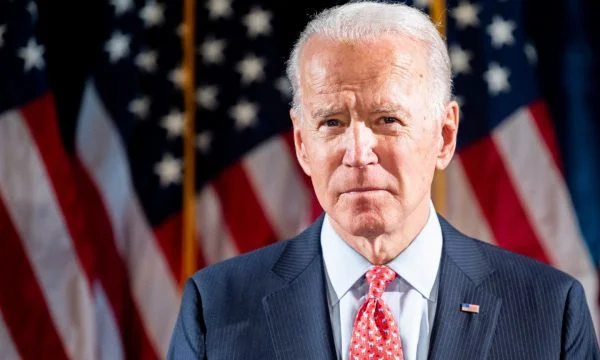
US President Joe Biden has announced that he will sign a $430 billion bill bill bill bill bill bill billed as the largest climate change package in US history, created to reduce greenhouse gas emissions and lower medical costs, in the next week.
“And while planning to sign the law against inflation in the law next week, we will hold a party at the White House on September 6th to honour that historic bill”, Biden wrote on Twitter.
Earlier Friday, the US House of Congress passed a draft law on climate change, health care and taxes, dubbed draft deflation law, while the Senate did so Sunday.
Of the planned amount, $370 billion will go towards fighting climate change, the most generous climate change legislation approved by Congress so far.
The bill provides businesses and households with billions of incentives to buy electrical vehicles and power equipment, and encourages new investments in wind and solar energy that would double the amount of new capacities of clean energy production.
This would help the US get on track to fulfil its pledge to halve greenhouse gas emissions below 2005 levels by 2030.
The new law also aims to reduce the costs of medicines for the government, employers and patients, with a major change that is a provision allowing the federal health plan Medicare to negotiate lower prices of prescription drugs.
The negotiated prices for the 10 most expensive drugs in Medicare will be implemented starting in 2026, and their number will increase by 20 per year in 2029. It has been estimated that Medicare can save $11.8 billion over 10 years by negotiating drug prices.
The law also bypasss the deployment of new excises to be paid for the purchase of shares, which are expected to raise an additional $70 billion in tax revenues annually.
Before voting for that legal proposal in the lower chamber of Congress, the European Union and South Korea warned the United States that this law, which supports the purchase of electrical vehicles, could discriminate against foreign production vehicles, which violate World Trade Organisation regulations (OBT).
In particular, they stressed that the new law envisions a ban on the use of tax loans for the purchase of non-accompanied electric vehicles in North America, as well as the ban on the use of components of batteries and rare minerals originating from China. .
We think it discriminates against foreign producers as opposed to American producers. Of course, that means it is also incompatible with the WTO,” European Commission spokeswoman Miriam Garrya Ferrer said on Friday.
South Korea voiced concern Thursday that the US proposal could violate WTO rules and a bilateral free trade agreement. The South Korean Ministry of Commerce said in a statement it has urged American commercial authorities to ease demand for battery components and assembly of vehicles.