29 minutes ago
Former American ambassador to Serbia warns: If there is no solution by September 1st, there could be violence
Periskopi(4 years ago)
(4 years ago)The messages of the European-American diplomatic mission, committed to the approach of Kosovo and Serbia's positions on open issues on both sides, show that the problem has not been solved even though such a thing has not been publicly declared, says Cameron Munter, retired American diplomat and former ambassador to Serbia. In the days before [...] expired.
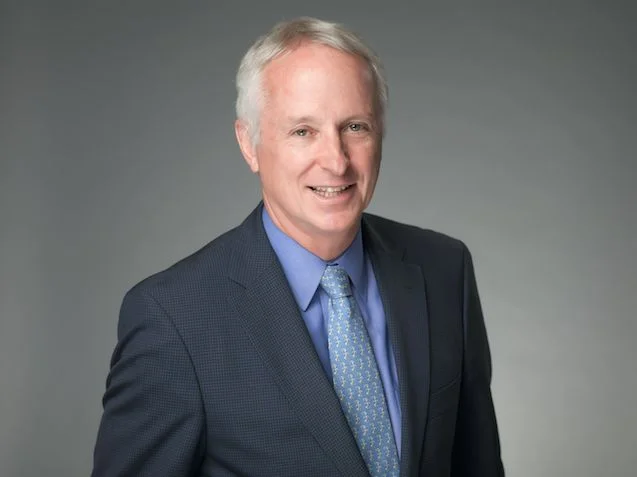
The messages of the European-American diplomatic mission, committed to the approach of Kosovo and Serbia's positions on open issues on both sides, show that the problem has not been solved even though such a thing has not been publicly declared, says Cameron Munter, retired American diplomat and former ambassador to Serbia.
In the days ahead of the deadline for the start of implementing the Kosovo authorities' decision on reregistering vehicles and introducing transit documents for citizens of Serbia, which this time was triggered for the escalation of relations between the two sides, Munter is convinced that the diplomacy of Western partners' ships has not yet ended.
“As always, until the last moment, there is a way to reach solutions. But if this does not happen until September 1st, there may be violence. Not only for the purposes or attitudes of the responsible in Pristina and Belgrade, but also because of the reactions of people on the ground”, the former US diplomatic representative in Belgrade tells VOA at the Serbian edition.
Munter sees the statements of Serbian President Aleksandar Vuciq, who said there is almost no chance of harmonising positions on tables and documents, as a diplomatic effort to offer the Kosovo side an agreement on any other topic without any link to issues raised in the last month ʹ that have caused tensions.
“But perhaps one of them feels that a principle contributing to the increase in danger of violence is worth it. I believe reciprocity must be realised.
In many ways, I believe the ball is in Mr. Vuciq's court. If he wants to see violence, he can do it. But I hope he doesn't want that. And I hope he'll be able to adapt to this” situation, the former senior American diplomat said among other things.