6 minutes ago
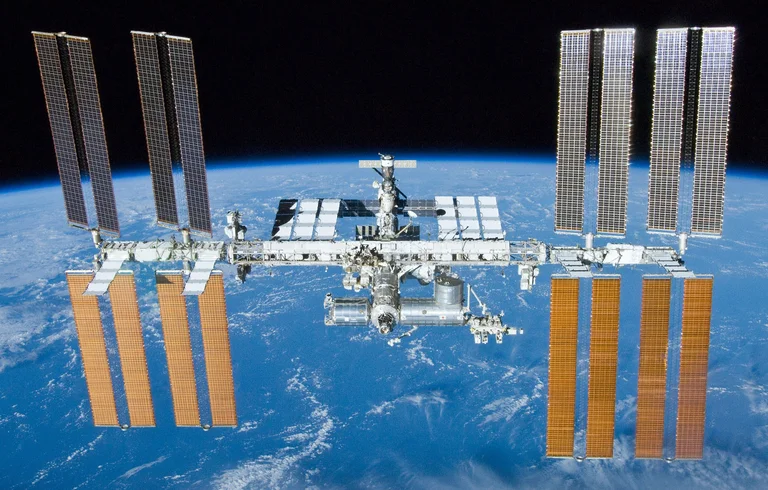
Russia decided to pull out of International Space Station
Periskopi(4 years ago)
(4 years ago)Russia said it would leave the International Space Station (ISS) after 2024 to focus on building its space project, at the time of increased tensions between the Kremlin and the West following the invasion of Ukraine by Moscow. During his meeting with Russian President Vladimir Putin on July 26th, Yuri Borisov, whom Putin [...]
During his meeting with Russian President Vladimir Putin on 26 July, Yuri Borisov, whom Putin named earlier this month at the helm of the Russian space agency Roskosmos, said Moscow would meet all its obligations in the ISS before leaving.
But NASA said Moscow has not shown its intention to withdraw from the ISS.
Robbyn Gates, director of space station for NASA, said at a conference in Washington that NASA had seen Borisov's announcement, but “has not received an official report”.
The U.S. said that Russia's “exit unexpectedly”” from the Space Station is “Fatal”.
The “is a unfortunate development given the scientific work conducted in the ISS, the valuable professional co-operation our space agencies have had over the years, and especially our renewed agreement for co-operation”, State Department spokesman Ned Price told reporters.
This announcement came a week after the United States announced they would resume flights to Russia's International Space Station.
“to ensure continued and secure functioning of the International Space Station, to protect astronauts' lives and to ensure continued US presence in space, NASA will resume missions with integrated crews in the American crew's space shuttle and “Soyuz” Russian”, NASA said in a statement 15 July.
NASA announced that astronaut Frank Rubio will fly with two Russian cosmonauts on a space shuttle “Soyuz”, programmed to leave Kazakhstan on September 21st.
Experts said it would be extremely difficult for the ISS to work without the Russians.
Earlier NASA has called Russian participation crucial for the operation of the space station, adding that the ISS was created to operate together with the participation of space agencies of the United States, Russia, Europe, Japan and Canada.
“The station is designed to be interdependent and relie on the contributions of any space agency to function. No agency has the ability to function independently of others,” said in the statement. / REL