3 minutes ago
The rising price crisis, but how much money they got from “
Periskopi(4 years ago)
(4 years ago)The situation with price hikes is already running out of order every day in Kosovo. Inflation has gone as never before to 14.1 percent. While the most expensive products are bread, cereal, meat, trees and fuels. But even against that fact, Kosovo citizens are able to save money, even billions [...]
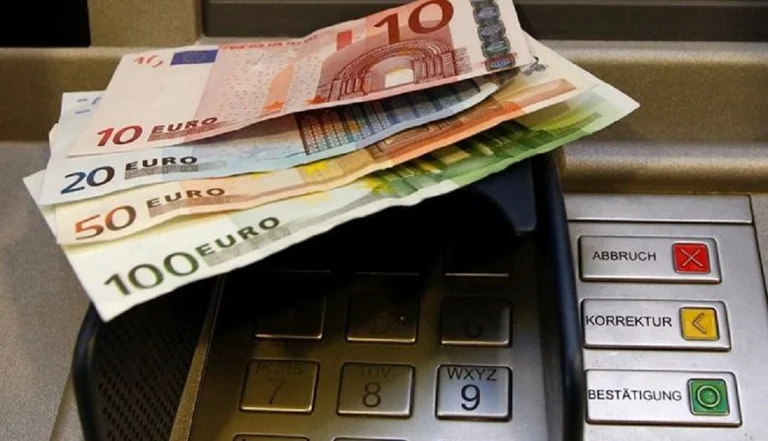
Kosovo citizens have managed to save billions of euros, even though the price crisis has hit our country.
The value of customer deposits in Kosovo's ten commercial banks has reached over 4.9 billion euros.
Of this value, more than 3.3 billion euros are citizen deposits, while the rest belong to companies.
According to the Central Bank of Kosovo, the value of deposits in 2021 has marked an increase of 12.4 percent compared with 2020.
More precisely, according to the CEC, the value of new deposits, collected last year, has reached 446.1m euros.
But Kosovars have “paled” money in banks even this year.
The mass of new deposits in 2021 was 446.1m euros, while in January, May 2022, it is 159.4m euros”, it has shown in the BQK for Democracy.com.
In addition to deposits in euros, according to the Kosovo Central Bank, there are 200m euros in currency in the country's banking system.
However, even 2022 has found Kosovo citizens with billions of euros in unpaid loans.
At the Kosovo Central Bank, they have told about Democracy.com that from January to May 2022, the value of new loans has reached 816.8m euros.
Last year, however, new loans from commercial banks have been extended 1.8 billion euros.
The Kosovo Central Bank has shown that Kosovo citizens mostly receive loans to provide food.
“Citizens receive mostly consumer, servant, mortgage, industrial and agricultural loans. The average interest rate on credit continues to mark a decrease, with 5.9% in May, and it was 5.9%”, the CEC's response said.
In total, it is estimated that Kosovars have over 3.7 billion euros in loans.
In 2020, Kosovo citizens have been given the opportunity to attract 10 percent of the savings in the Trust to cope more easily with the economic difficulties that the pandemic could have caused.
That world, an estimated 200m euros have been withdrawn from the Trust.
Even according to a report by the Institute for Advanced GAP Research in Kosovo, 40 percent of deposit increases have promoted savings issued by the Trust, which have been deposited in private accounts and are not immediately spent.
The average gross salary in Kosovo is estimated to be around 460 euros. The average gross salary in the public sector is around 620 euros, while in the private sector around 380 euros.
According to February data from the Kosovo Statistics Agency, more than 25,000 families with 102,333 members have received social assistance from the Kosovo state budget. This assistance is given to families with difficult financial conditions and that have no employees.
But the Statistics Agency has shown that inflation has already gone as never before to 14.1 percent. The most expensive products are bread, cereals, meat, trees, and fuels. The Statistics Agency has shown that in June alone prices have increased by 1.4 percent, writes Democracy.com.
“Buka and cereals (1.1%), meat (1.4%), trees (3.0%), sugar, jam, honey, chocolate and candy (2.2%), coffee, tea and cocoa (2.3), alcoholic beverages (1.5%), solid fuels, firewood, diapers, etc. (6.0%), goods and services for normal home economy maintenance (1.8%), fuel and lubricants for personal transport equipment (15.4%), transport services (5.9%), organised holidays (4.1%), hotel services (2.3%)”.
The Statistics Agency has shown that the annual rate of moderate inflation in June 2022 by June 2021 was 14.1 percent.