9 minutes ago
Putin signs the decree: Russia considers NATO, US as main threats
Periskopi(4 years ago)
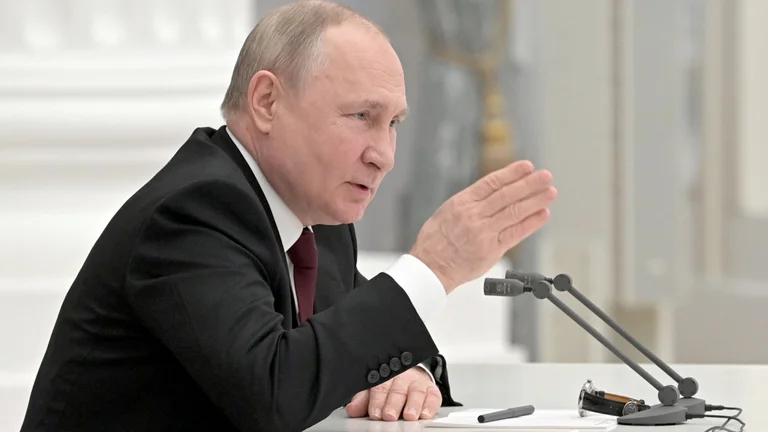
(4 years ago)Russian President Vladimir Putin has signed a decree to update maritime doctrine describing the country's maritime borders, and NATO and the United States are seen as Russia's main threats. The decree, signed on July 31st on Navy Day, enters into force immediately. Doctrine mentions activities and possible growth of [...]
The decree, signed on July 31st on Navy Day, enters into force immediately.
The doctrine mentions possible activities and growth of NATO's military alliance, the US's alleged desire to dominate seas and assumptions that it wants to have claims on Russia's territory. The doctrine also mentions a threat to Russia's security as a number of foreign states.
Moscow is also said to be aiming to boost sea fleet potential. The doctrine also highlights the strategic importance of the recent Russian efforts to develop the 5,600 - mile - long [5,600 km] northern Sea Route that would allow shipping ships and other large ships to travel along Russia's Artic Coast of Bering Strait.
Speaking on Navy Day note, Putin said that this doctrine says that the Arctic, the Black Sea, the Okhotski and Bering Sea, as well as the Baltic and Curil Straits, are national interest zones.
He said the Russian Navy's ability to respond to threats immediately is key to protecting Russia's sovereignty and freedoms. Putin added that the sea, land, air and submarines are on high alert and “are constantly improving”.
The Russian president promised there would be large-scale shipbuilding and will be invested in maritime scientific research programmes.
Russian naval doctrine was originally adopted in 2001. This document was updated in the summer of 2015, following the illegal Russian annexation of the Ukrainian Crimea Peninsula. / REL