20 minutes ago
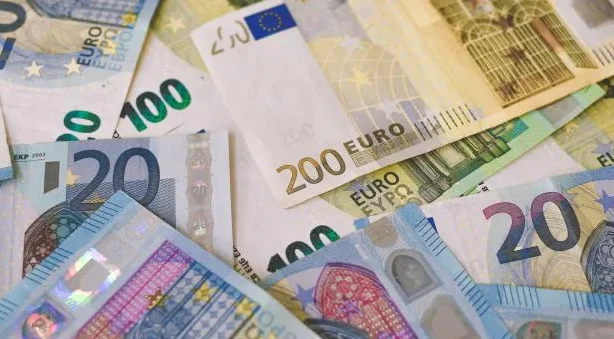
Euro wave at its weakest point, not even rich Kosovars can buy more
Periskopi(4 years ago)
(4 years ago)The negative side effects of the unprecedented war Russia has launched in Ukraine have already begun to be observed significantly in Europe, including Kosovo. In addition to the price of fuel affecting almost 2 euros per litre, which the state has had to intervene in the assignment of a ceiling for what [...]
As a result, with wages unchanged both in the public sector and in the private sector, a Kosovo citizen today at 20 euros could buy approximately what he bought a year ago for only 10 euros.
International financial organisations such as the International Monetary Fund and the World Bank have predicted that Kosovo during 2022 will have a significant decline in economic growth until, according to their inflation data, affected 10 %, this alarming figure.
Opposition parties have also invited discussions on this issue to the Kosovo Assembly, where they have proposed expanding the list of essentials to be reduced T The VSH, even the PDK, has proposed that the full tax on value added to basic products be removed. But neither the LDK resolution nor the proposal The PDK has found the light of implementation in practice, since the Kosovo government is set not to reduce the excise for oil or reduce T VV for basic products, with the reason that the situation throughout the region and Europe is the same, writes Express newspaper.
Adding to this is the crisis the EuroO is already facing, the only currency in the European Union that the Republic of Kosovo uses. The euro has dropped to its lowest level for 20 years, until fear of recession in the EURO area has increased with gas prices continuing to rise, and with the war in Ukraine skeepling signals.
The euro has dropped by 1.5 % and has already reached $1.0265, while the dollar index has increased by 1.29 %.
Eurozone inflation has reached a record 8.6% in June, prompting the European Central Bank to publicly announce markets for its intention to boost interest rates for the first time in 11 years at its July summit.
However, the growing fear of a recession could limit the central bank's capacity to tighten monetary policy. The July Stentix Economic Index on Monday showed that investors' morals across the 19-nation euro area have declined to the lowest level since May 2020, pointing towards an inevitable “recession.
Record inflation in Europe has been fuelled by rising gas prices in recent months.
Natural gas prices in Europe have continued the increase, climbing to the highest levels unprecedented since early March, as strikes planned in Norway increased market problems for Russian supply cuts. The first month gas price at the Dutch centre of TTF -- a European reference point for natural gas trading -- has for the last time increased by 7.8% to 175.5 euros (180.8 euros) for megava-hours.
All these factors have joined together to hit the euro hard. The eurozone currency has lost over 9% of its value to the dollar since the beginning of the year.
The euro has also dropped part-time against the steroid to be traded by 0,8582 by the middle of the afternoon and has dropped by about 1.4% against Japanese yen, alone near the lowest levels of several decades against a revived dollar.