11 minutes ago
Two crushed armies are fighting for eastern Ukraine: Which of them can make the attack decisive
Periskopi(4 years ago)
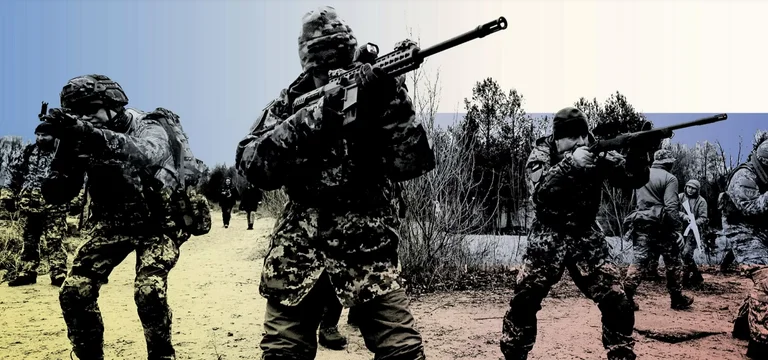
(4 years ago)When Vladimir Putin refocused his war in Ukraine towards the east of the country three months ago, he did so influenced by his initial failures towards Kiev and the insistence on a white-face success, writes CNN, Pryskopi watches. After a slow and bloody march through Luhansk that was [...]
After a slow and bloody march through Luhansk that ended with the capture of Lysychansk's city, the Russian president may have considered himself to be almost half the dam.
But the war has reached another intersection and fighters on both sides are trying for a third act of fighting that could manifest the balance of conflict.
“It's a devastating suffering”, said Justin Bronk, a Royal United Services Institute researcher, describing the course of war after three months in Donbas.
It's the same for both armies, where the two armies have suffered great losses and are at very close to crushing”.
Putin's next step is expected to be towards Donetsk, which, if caught, would then meet the Kremlin's primary goal -- the occupation of the entire region of Donbas of eastern Ukraine, which has been the region of pro-Russian separatists since 2014.
But when and how this will happen remains unclear. While Russia has continued with intensive attacks on several fronts in Ukraine, the American Institute for War Studies said Sunday that Russian ground troops are in the middle of an operational pause for the <x0d re-enlisted, updated and reconsolidated”
This would allow the Ukrainian army time to prepare to protect the parts of Donnetsk that they still control. And the danger of a Ukrainian counteroffensive in other parts of the country, including the southern town of Kherson, remains present.
The next phase of the entire war, when it begins, may not be the last. But that can determine the future of the Donbas region, and analysts say that it will take considerable time to determine the results of the war.
Kherson had been captured and occupied by Russia during the early days of the occupation. If Ukrainian troops were able to restore the region, it would prevent supply chains for Russia, break the path to the Crimea, and cause an increase of morality.
Russia's war in Ukraine is entering six months, and the flow of the new phase would largely depend on the fighting power and weapons that each side can still support.
Some analysts have speculated that increasing the use of old weapons from Russia suggests its reserves are becoming poorer. /Periscopi/