15 minutes ago
EU agrees to give up Russian coal, but oil becomes problem
Periskopi(4 years ago)
(4 years ago)The EU has suffered power sanctions for weeks. Member states have already agreed to give up Russian coal by summer, but oil is a tougher requirement, the BBC reports. While Poland and the Baltic states have been organised for action, Germany is accused of obstructing progress. Now, the government of Chancellor Olaf [...]
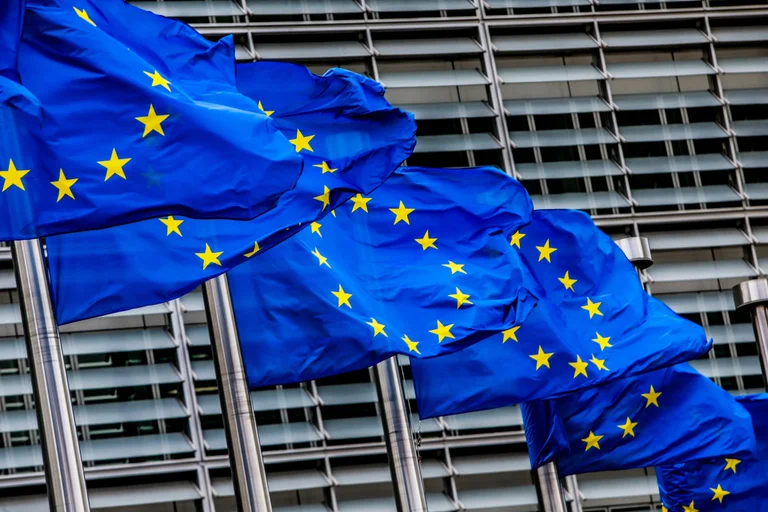
The EU has suffered power sanctions for weeks. Member States have already agreed to give up Russian coal by summer, but oil is a tougher requirement, reports BBC.
While Poland and the Baltic states have been organised for action, Germany is accused of obstructing progress. Now, the government of Chancellor Olaf Scholz is showing an added readiness to move forward.
Hungary, in particular, is viewed as a possible roadblock. It is very dependent on Russian supplies, while the government of recently re-elected Hungarian Prime Minister Viktor Orban has voiced clear opposition to sanctions.
Often contrary to Brussels, Budapest's words will be viewed closely this week. And diplomats agree that discussions, for a proposed ban, will be difficult.
If there is a compromise, member states that favor the ban may find it difficult to swallow. But pressure on top EU officials to find a way forward is sharp.
The bloc knows it cannot rely on Russia for supplies, as evidenced by Gazprom's decision to cut off gas from Poland and Hungary. And there is also a moral dilemma.
Nearly a month ago, the bloc's foreign policy chief acknowledged that the EU had paid Russia more than 35 billion euros for energy imports since the invasion of Ukraine by President Putin.
Some in Brussels clearly refer to it as “blood money”.