10 minutes ago
Swiss Free Job Record
Periskopi(4 years ago)
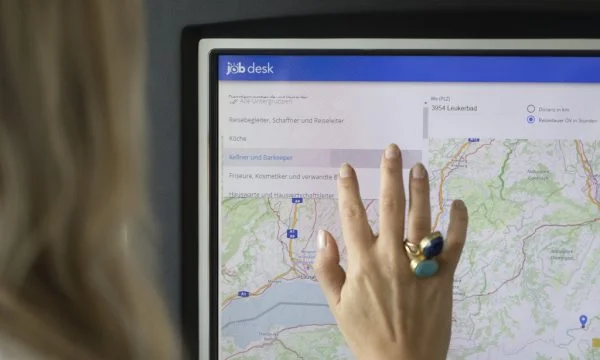
(4 years ago)Between January and March 2022, the number of job free reports increased by 7% compared to the previous quarter and 47% compared to the same period in 2021. A rise that is explained in post-coronvirus economic recovery, notes Marcel Keller, head of the Swiss Adecco labour market, conveys albinfo.ch. [...]
In the first three months of this year's Swiss labour market reached a new level, despite the virulent version Omitron and continuing supply difficulties. Free jobs have increased by nearly half a year annually. This is the result of Switzerland's latest Labour Market Index, published by interim employment giant Adecco.
The growing demand for qualified jobs can be explained by economic recovery after the Coronavirus”, said Marcel Keller, head of the Swiss labour market based in Zurich, quoted in the document.
Keller adds that “and in the near future, many companies expect a further increase in demand”, that is why they are currently strengthening their production skills and service.
Despite uncertainties related to the spread of the Covid-19 Omitron variant and obstacles to international supply chains, the number of free jobs on the Swiss market increased by 7% compared to the previous quarter. Compared to the first three months of 2021, the increase is 47%: a second consecutive record, Adecco highlights. The study authors note an increasing demand for computer skills accelerated by repeated impasses during the health crisis. Because of the transformation and digitalisation that has been taking place for years now, skills in using new technologies will be increasingly sought by employees in the future”, Marcel Keller provides.
An analysis of free jobs in Switzerland over the past seven years shows that almost half (49%) are demanding at least one digital and often some, such as content management or network management, systems and data. This specific requirement specificity is especially highlighted in the search for specialised personnel at IT (99%), technical (66%), administration (60%), economy (60%) and management (55%); less in the social sector (27%), health (24%), services and sales (24%) and construction (16%).