2 minutes ago
Kosovo questioned national security product
Periskopi(4 years ago)
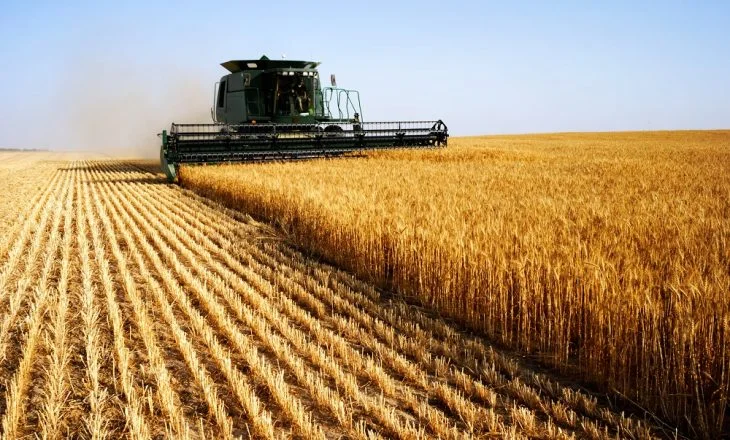
(4 years ago)The country from which Kosovo imports the largest amount of wheat and flour '% Serbia has warned that from Thursday 10 March it will suspend exports of wheat, flour, corn and oil, due to the crisis in markets, which has caused war in Ukraine. The wheat is the first substance for flour production and as [...]
The wheat is the first substance for flour production, and as such is considered a strategic product for national security.
For his security, Kosovo is heavily dependent on import.
During 2021, the country has imported 84 thousand tonnes of various wheat and flour from Serbia to 115 thousand tons in total from various countries, such as: Croatia, Austria, Northern Macedonia, Hungary, Albania, Bosnia and Herzegovina. That means Kosovo imports from Serbia about 73 per cent of wheat and flour.
The needs of Kosovo's population are for about 400,000 tonnes of wheat annually.
According to the president of the Kosovo Trade Federation of Agriculture, Tahir Tahiri, Kosovo can only meet 35 per cent of its population's needs for flour from its wheat productivity.
Each state, which is located in the dangerous security zone, even if it has wheat or flour for export, keeps its reserves for itself. We in Kosovo, as major importers of this product, may not have supplies from those states”, Tahiri tells Radio Free Europe.
According to him, Kosovo could replace imports from Serbia with products from other states, but, he adds, authorities should make long-term plans for wheat to be secured from Kosovo soil.
Kosovo's Ministry of Agriculture, Forestry and Rural Development give other figures. In a statement to Radio Free Europe, Kosovo is said to meet wheat needs up to 67 percent.
“The area with wheat culture expected to be harvested this year is 66,159.52 hectares, meanwhile, the same culture during 2020, an area of 63,220,60 hectares has been harvested. The average efficiency was 4,507kg per hectare”, say the ministry and add that in 2021 some 280 tons of wheat were produced.
Imer Rusinovac, professor at the Faculty of Agriculture at Pristina University, says that for a strategic wheat product, Kosovo should not depend on import.
According to him, failure to meet the needs of the population with this product is disturbing for a country.
“One of every state's basic priorities is food security. In our country, because the climate does not match rice cultivation, then wheat is the only strategic product that provides food for the population. In this cootation, Kosovo has never met the” needs, Russia says.
He adds that the COVID-19 pandemic and the war in Ukraine should mobilise Kosovo institutions about the importance of cultivating wheat and its subsidy.
Tahiri says that nearly 50 percent of Kosovo's agricultural land has remained barren because of the farmers' lack of interest in cultivating this agricultural culture.
This situation has been created because of the poor benefits farmers have, he says.
The Ministry of Agriculture [of Kosovo] must make long-term plans. Tʹi matters to wheat cultivation as a source of existence, and to subvention more”, Tahiri says.
According to the Ministry of Agriculture, the Programme for Direct Paying 2021 respectively, for a hectare of wheat-growing land, Kosovo farmers have been subsidised by 75 euros.
Within the framework of the 2022 direct payment programme, Kosovo Minister of Agriculture, Forestry and Rural Development Faton Peci has pledged to subsidise farmers for autumn sowing of wheat culture.
The wheat is a year - old agricultural culture, and crops with such a year's culture vary year by year.
On March 4th, Hungary is also a country from which Kosovo imports wheat and flour alike has banned all grain exports, due to the rise in prices caused by Ukraine's Russian invasion and sanctions the West has imposed against Russia.
Kosovo, on February 26th, has increased its amount of state reserves.
The milling associations and wheat growers have assured Government that they have supplies and that “for three months to six months, the population doesn't need to worry”.