18 minutes ago
How can you identify and avoid false reports about war in Ukraine?
Periskopi(4 years ago)
(4 years ago)The Russian invasion of Ukraine triggered a false wave in social networks and broadcasts. A BBC journalist has now explained how to know and avoid false news. Since the war began, my mailbox has been flooded with messages from people who tell me about fraudulent videos in their [...] sources.
A BBC journalist has now explained how to know and avoid false news.
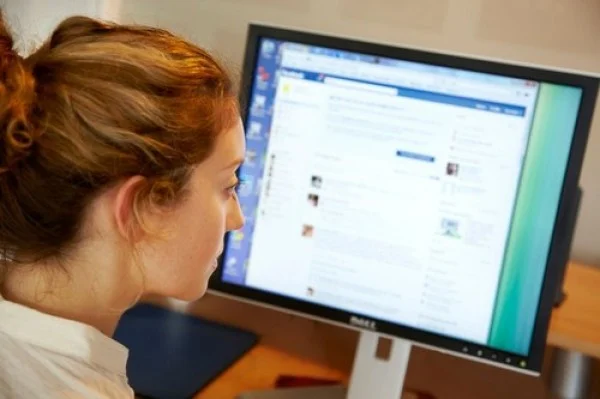
Since the war began, my mailbox has been flooded with messages from people who tell me about fraudulent videos in their social media sources and in the profiles of people promoting conspiracy theories. And it's not only in social media. It's also a state-sponsored propaganda that drives false claims into broadcast and beyond,” says Marianna Spring.
How can you distinguish the bad information and prevent it from spreading?
1. Beware of Old Videos and Deceptions
There are very real, disturbing videos that are spreading about what's happening on the ground in Ukraine. But there are also recordings of old conflicts becoming viral. People often share this because they're shocked or even trying to help. But that only adds chaos.
The best way to find out if a video is true or not is to look for information like time, signs, languages that people speak.
Videos of the Russian crime invasion and the explosion in Beirut in 2020 are widely distributed as videos from the current conflict.
With Google Maps, you can find out if a video is really from where it's claimed to be taken. And using an opposite search of photos available on a number of websites, you can see whether the same video or image has already been distributed on the Internet. This is a sign that it was recycled from an earlier event.
2. Who shares it, and why?
It is important to consider who has distributed the post altogether. Can you check who they are and are they a source of faith?
Those who have posted deceptive videos sometimes seek pleasure and distribution. This is a disturbing time, and posts about what is happening in Ukraine are likely to take life. Others share false claims to promote certain Narrativas to reinforce their political agendas or sow doubts and confusion.
Some young people told me about pro-Russian profiles arguing with Ukrainians, suggesting without any proof that the war was “listed” or that Ukraine was bombing its territory.
One man I interviewed explained that even pictures of his home near Kiev, completely destroyed by the bomb, could not convince these people.
Many have few or no followers, downloaded profile photos from other countries on the Internet, and used general names of users. They also started publishing only after the invasion began. It is difficult to say who will run these profiles at the end, the journalist says.
Other profiles that promoted false claims about the COVID pandemic have focused attention on sharing false conspiracy theories about the war. The same fake examples -- for example, the “actors” were injured in the bombing -- they appear constantly, even driven by Russian diplomats.
3. Stop before distribution
Much of what is found in social media for war is frightening. This provokes a reaction that means that people sometimes share posts before checking whether they're real. Dezinformation spreads because it plays with our emotions and prejudices.
It's not just about negative emotions. Sometimes stories with hope can become viral. As they can increase morale, they contribute to the chaos of the Internet and make it harder to understand what is really going on.
Fighting information is more than social media. It is a struggle fought by governments in Ukraine and Russia, promoting propaganda. The question of why a certain source might say something and if it is supported by evidence, writes the BBC.