18 minutes ago
How much is compensated for crime victims in Kosovo?

Periskopi(4 years ago)
(4 years ago)Murder, human trafficking, rape, sexual abuse of children and cases of domestic violence enter the category of compensating state acts, according to the Law on Compating Victims of Crime. However, victims of these cases in Kosovo can receive compensation at the maximum value of up to 70,000 euros. During the past year [...]
Murder, human trafficking, rape, sexual abuse of children and cases of domestic violence enter the category of compensating state acts, according to the Law on Compating Victims of Crime.
However, victims of these cases in Kosovo can receive compensation at the maximum value of up to 70,000 euros.
During the past year in Kosovo for 28 people who were victims of crime have made up little more than 100,000 euros.
However, this amount of lawyers is being extremely low, citing that in the region, for certain cases compensation amounts to millions of euros.
Lawyer Skender Musa has said these figures are small.
Musa has told of a case he had defended when the victim's family from a serious murder had been proposed compensation with only 3 thousand euros.
The “Shama that has been offered is extremely small, because in the countries of the region in the criminal acts of murder and serious murder, the figures usually exceed 100,000 euros and even total up to 1m euros, because in this case the state itself loses the most protected value, because for the state the main protected value is the life of the citizen of the Republic of Kosovo, Musa said.
According to Article 6 of the Law to compensate for the victims of crime, acts that enter the category of compensable deeds are: murder, trafficking in people, rape, sexual abuse of children, cases of domestic violence.
Adelina Berisha from the Kosovo Women's Network shows that very few women seek to compensate for the violence against them.
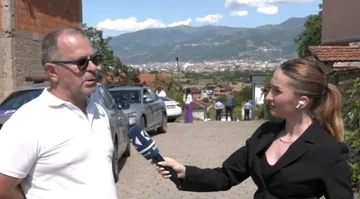
Women don't generally ask for this compensation, because at the moment they're focused on their security and they just want to end up as soon as possible with any relationship or relationship with the perpetrators of violence and often don't know they have that right or reject that right. At the moment they are declared during the criminal procedure that they do not want that right, then the normal one that even the courts do not approve then because they say the victim itself did not ask for”, Berisha said of RTV Dukagjin.