23 minutes ago
Sarrazine: The crisis in the north to be used to further promote dialogue
Periskopi(4 years ago)
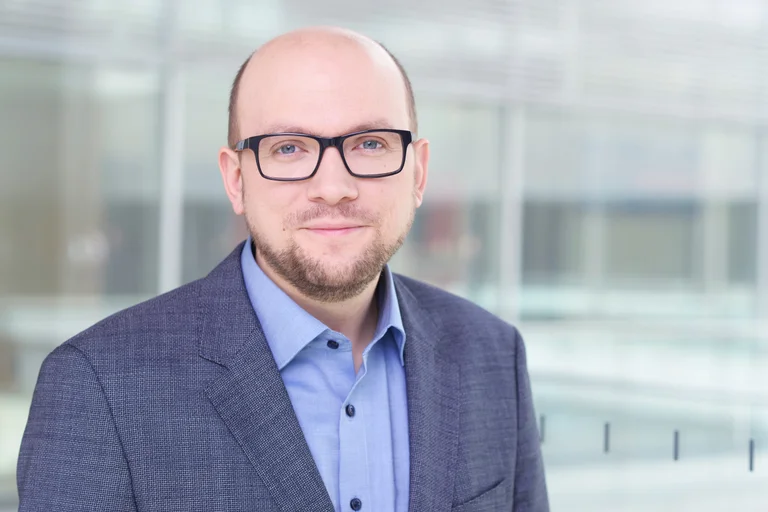
(4 years ago)“The crisis in Kosovo's north must be used to further promote Kosovo-Serbia dialogue”. So stated the German government's special envoy for the Western Balkans, Manuel Sarrazin, during a virtual discussion organised by the Atlantic Council in Washington, writes America's “Zer”. Using this crisis as an opportunity to get the dialogue [...]
“The crisis in Kosovo's north must be used to further promote Kosovo-Serbia dialogue”. So has declared the German government's special envoy for the Western Balkans, Manuel Sarrazin, during a virtual discussion organised by the Atlantic Council in Washington, writes. America's voice “”.
Using this crisis as an opportunity to move the dialogue forward, taking into account the European proposal that Mr. Lajcak, Mr. Borell and German Chancellor, are working with the French president. This is a great opportunity to take advantage of, instead of having these countries drill each other's pits at risk of the entire region falling inside of them”, Sarrazzin said.
He added that the Berlin Process, aimed at strengthening ties between the Western Balkans and several EU countries, revived with the new German government and starting the war in Ukraine.
The last meeting, held in October in Berlin, and then the summit in Tirana ended with reaching several agreements expected to affect the lives of Balkan citizens, but Sarrazin has expressed disappointment that this positive atmosphere created did not bring more positive results to the region.
We may have managed to revive the Berlin process, and we should continue, but I hoped this positive atmosphere would bring more results on hot topics. But, we still have time, so let us remain optimistic and loyal to the idea that sometimes we have to take even small steps, such as the one with free movement or the prices of phone calls to be reached in Tirana and not forget to apply these small steps”, he followed.
In a discussion on the “road forward on regional integration initiatives in the Western Balkans,” there were no guests from Kosovo.
Serbian Minister for European Integration Tanja Mishq has said that in her country it is very difficult to talk about European integration when the topics that dominate are developments in Kosovo's north or relations with Russia.
During the debate, integration into the European Union of Balkan countries was also long discussed.
Albania's former foreign minister, Ditmir Bushati, has recalled that next year is 20 years from holding the Thessaloniki summit, where the European bloc pledged that the Balkans has European future.
During the discussion, the differences between the Berlin Process and the Open Balkans Initiative were also discussed, the initiative of three countries in the region, Albania, Serbia and Northern Macedonia.
The German government's representative compared the Open Balkans to a good football player who is currently sitting on the bench, as the team in this case has revived the Berlin Process and is achieving success even without it.
The Serbian Minister for European Integration has said both processes do not create confrontations with each other, while warning that the upcoming Open Balkans summit will be held this month in Tirana.
Since Central Election Commission officials tried to enter their facilities in four municipalities in northern Kosovo last week to organise the first elections for this weekend and then postponed, there have been attacks on police and CEC officials in the north.
Shockers and even gun attacks have been tracking north these days.
A police officer has been wounded as a result of the Zvecan shooting. A former Serb police officer has been arrested for these attacks.
Local Serbs in protest have placed barricades in the direction of the Brnjak Jarinje border points, which are provisionally closed