2 minutes ago
CNN probe: Protesters arrested in Iran raped by police
Periskopi(4 years ago)
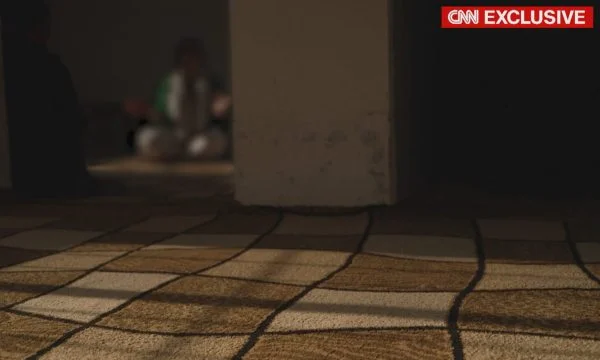
(4 years ago)“They chose women who were beautiful and adapted to their appetites and then took one of them into a private room, where they raped”, she relates. Hannah is not only a witness, but also a victim of abuse: “I am ashamed to talk about it. You can still see what the police did to me. [...]
Hannah is not only a witness, but also a victim of abuse: “I am ashamed to talk about it. You can still see what the police did to me. It's a purple stain, so I cover it. He attacked me”
Later, a quarrel had erupted with another protestor, and the aggressor had left. Hannah claims that there were a total of four private interrogation rooms where many women had been raped. CNN managed to locate the police station through Hannah's description and witness co-operation. It's in the Eslamabad neighborhood in Urmia. Based on this evidence, and on a number of sources, CNN sheds light on a new model of hope: police stations are used as filter points moving protesters from one area to another, while family members are often not informed of their loved ones' whereabouts. An Iraqi-based Kurdish opposition party has identified over 240 people believed to have disappeared in the maze of detention centres.
Human rights organizations say the number is higher, by the thousands. Some of the victims are 14 years old, while many of them are men who have supported women protesters. Their punishments are as severe as their women.
They brought four men who were beaten and screaming into another cell. One of the tortured men was escorted to the waiting room where I was. He said they were raping and men”, says a witness.
Based on the evidence, CNN traced the location of an Iranian military intelligence building. A 17-year-old Iranian sent a voice message CNN after his imprisonment: “When a security guard heard me talking about raping other convicts, they tortured me and raped me again”
Most of the incidents of sexual violence at detention centres have occurred in majority Kurdish areas in western Iran, the area historically marked by depression. Stirring evidence that rapes were recorded in some cases and used to blackmail protesters. But violence is not limited to Kurdish communities alone but to other areas where protests are more intense, as here in the capital city of Tehran.
One of these stories is that of Armita Abbas. A normal 20-year-old who likes to share in social media love for animals and music. In the post, like many other young people in Iran, he openly criticised the regime after the protests began. Unlike most, however, he did so without maintaining anonymity. It didn't take long before security forces found him and arrested him. Abbass disappeared, and immediately later, his statements by doctors who had visited him began to circulate online.
She was my patient. I went by the bed. They had his hair peeled. She looked scared and trembling. When she first came there was bloodshed because of the continued rape”, the doctor says.
Details were confirmed by CNN by an insider at the Imam Ali Hospital, where the new one was sent for examination. In a statement, the government said Abbas had been treated for problems with digestion, something denied by doctors who have treated him. Iran's regime denies rape and accuses the teenager of leading the property. He may face the death penalty for this charge. / A2 CNN