19 minutes ago
Owners of small businesses who did not give up Ukraine
Periskopi(4 years ago)
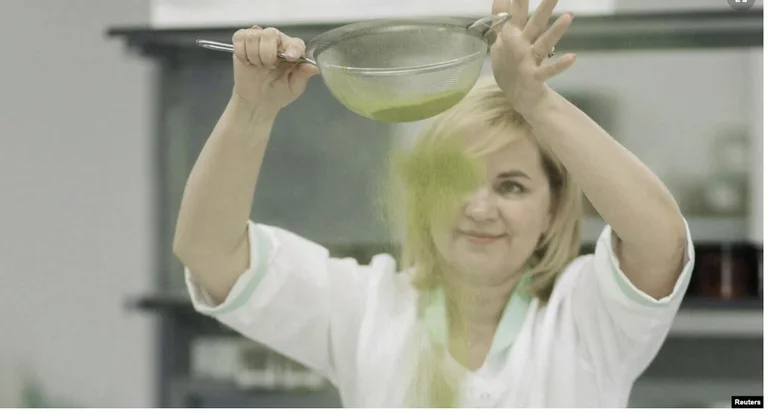
(4 years ago)Reuters Victoria Masova has abandoned her factory with cosmetics in the Ukrainian town of Buka on the first day of Russia's war explosion in Ukraine February 24th. She and her mother and three younger brothers have gone to Poland. A month later, they have returned [...]
Victoria Maslova has abandoned her factory with cosmetics in the Ukrainian town of Buka on the first day of Russia's war explosion in Ukraine February 24th.
She and her mother and three younger brothers have gone to Poland.
A month later, they have returned to Ukraine, determined to continue working on Victoria's brand of cosmetics, Vesna.
We love Ukraine. We wanted to go back to our country and work here”, said Maslova, 24, who started this business seven years ago with her mother, Inna Skarzynka, 44-year-old.
To revive Europe's worst-hit economy from World War II, the Ukrainian government is relying on residents like Masova and international aid.
Masova's mother has waited until April to return to the factory.
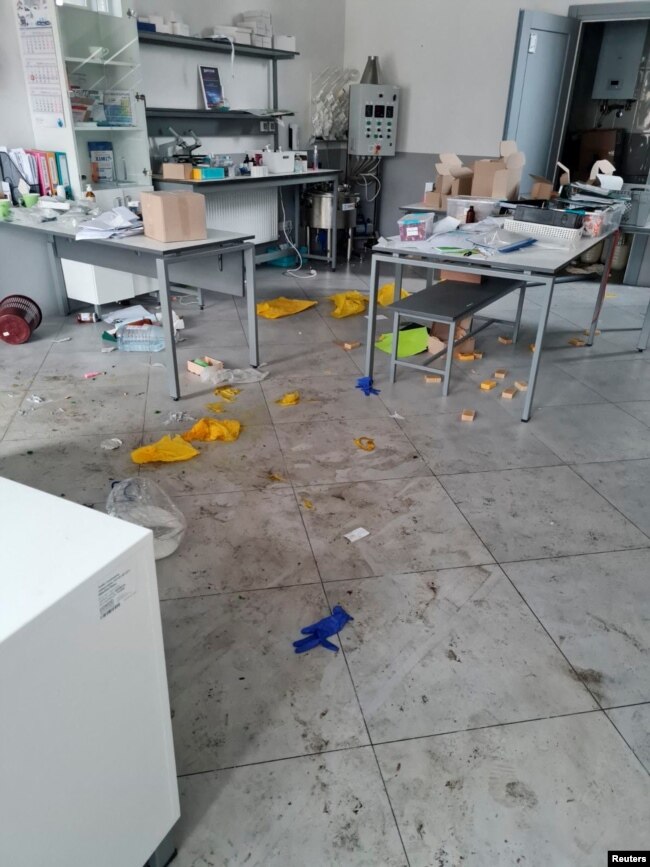
That month it has become known the massacres that have left Russian forces behind in Butka, the town near Kiev.
The first floor of the store was robbed, but she managed to save something.
Both have then started working on a family in Lviv, a town about 450 miles [ 450 km] from Buka, but near the Polish border.
Five months ago, Vesna products are sold in more countries than ever before, including Poland and Lithuania.
Finally, Masova has reached agreement with a private company in the United States to sell her products.
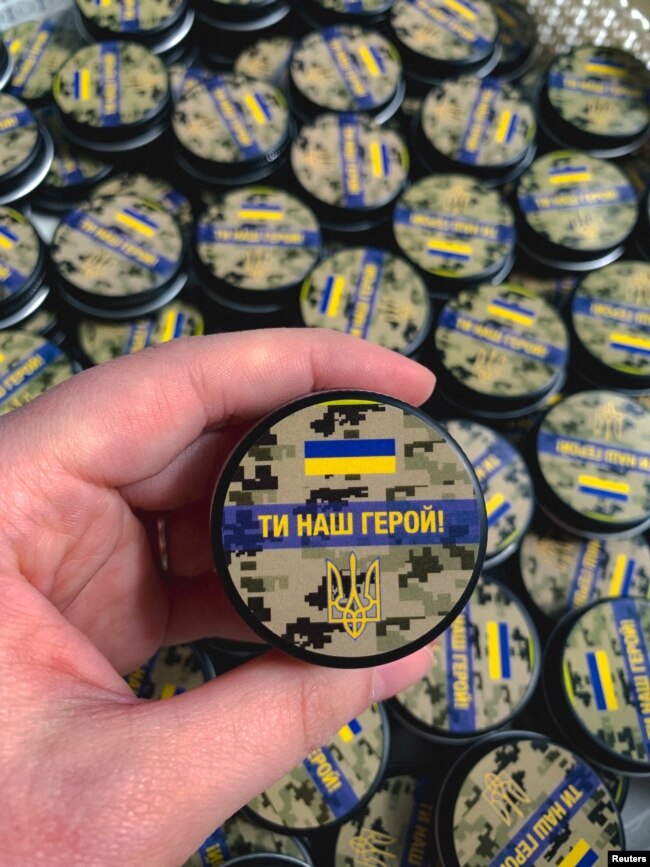
Meanwhile, this company has donated products for skin and hair, for men and women at war fountain.
Donated products have seen the inscriptions, “You are our heroes”.
The war in Ukraine, which Moscow considers “special military operation”, has entered in the eighth month.
Despite the recent victories of Ukrainian military forces on the battlefield, experts believe the war could last for a long time.
As a result of the war, millions of Ukrainians have moved within the country, and over eight million are out of reach.
As Ukrainian forces struggle to gain territory occupied by Russia, the government in Kiev is also thinking about the economy, and opportunities to employ those who have fled homes and businesses to the east and south of the state.
Ukraine's economy is expected to shrink for more than a third this year, but with business reopening, Ukrainian Economy Minister Yulia Svrydenko expects a slightly easier situation.
“We always say we have two fronts: one is the military and other economic aspect”, Svrydenko said in an interview for Reuters news agency.
The economic perspective is not less important than the military”.
Small and medium-sized businesses, like Maslova's, are the focus of government efforts.
Economic activity has been frozen in Ukraine after the war broke out, but restaurants, textile shops and nightclubs have started reopening in Kiev, Lviv and other cities, in which no war is under way.
The economy ministry has helped 700 companies leave the war zones, and 480 of them have resumed work, Svrydenko has said.
According to her, these companies are benefiting from the return of nearly three million refugees.
To help companies, Ukrainian authorities are helping businesses by providing free office space and production.
Their duty to the state and producers, such as Maslova, is frightening, given World Bank and European Union estimates that the damage to war amounts to about $100 billion.
The International Monetary Fund has allocated days to receive $1.3 billion in emergency assistance to help Ukraine finance projects that could fuel investors' interest.
Brave business “, brave people”
Iryna Titarchuk heads an investment centre in Lviv, which helps to meet business owners who have had to change locations due to the war.
This center also offers loans of up to $68,000.
These are bold businesses and brave people who haven't left everything to leave the country, but have decided to start all over from the first”, she said.
Titarchuk has recalled how many companies have experienced increased revenues in 2014, when they left Russian markets, following the annexing of the Ukrainian Crimea Peninsula by Moscow.
Now more markets are opening for them”, she said, citing that a number of Britain's businesses have contacted her with interest in products produced in Ukraine.
Near the front of the war, the Mikolaiv city, 500 miles [800 km] from Lviv, faces artillery attacks often.
There, Julia Konovalova is determined to resume her food business Fresh U & Tonix after fighting ends.
Konovalova has stayed in this city even when half the population has left it.
It has donated some supplies to the army shortly after the start of the war, and has been co-ordinated for other food aid with the World Central Kitchen group CHA aid sharing in recent months.
I still have all my equipment. Now I'm waiting for the war to end and start again”, she said.
We just have to survive”.
Near the border with Russia, fierce fighting has severely damaged Harkivin, Ukraine's second largest city, which had two million inhabitants before the war.
The rockets have damaged Evgeny Safonov's wine shop, but he is only looking for other locations in safer cities, though he intends to return to Harkiv.
Our investors are interested, even now”, he said.
Call me brave or stupid, I understand. But our schedules relate to days. We don't know what the future will bring”.
Searching for Investments
Svrydenko admits Ukraine faces major challenges, but claims she and other officials are on the hunt for investment.
Her ministry is studying 50 requests from the United States, Germany, Britain and Poland, after launching the investment portal “Ukraine'sAvantage”.
Svrydenko believes investment opportunities amount to $400 billion, but now it's too early to offer additional details.
A World Bank subsidiary, and the European Bank for Construction and Development, have said last month they could allocate 70m euros to invest in technology-oriented and export businesses, both in Ukraine and Moldova.
They expect assistance funds to increase to $250m in the next 12 months.
Andy Hunder, who heads the American Economic Ode in Ukraine, has said Ukraine's economy is demonstrating “phenomenal sustainability”, as internet and banking services are operating better in Kiev, in times of war, than in some parts of Europe that are at peace.
Yulia Zavalniuk has been severely damaged in her flower business.
Its flowerland, located some 25 miles [40 km] from Kiev, has been damaged when Russian forces have failed to gain Kyiv's control in the early days of the war.
She has initially thought about moving to Slovakia, but later decided to move temporarily to Lviv.
Yulia believes he will continue to sell plants and flowers to secure a salary and cover basic business expenses.
“Now is the time for us the owners of small businesses”, she has told Reuters.
We need to be more creative, sell our products and pay our taxes”, she said among other things.