6 minutes ago
Kosovo-Serbia dialogue, Bislimi: We're a lot further apart than when the dialogue started.
Periskopi(4 years ago)
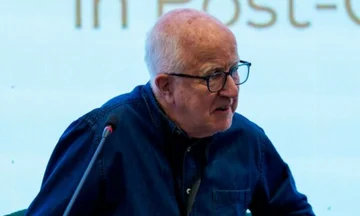
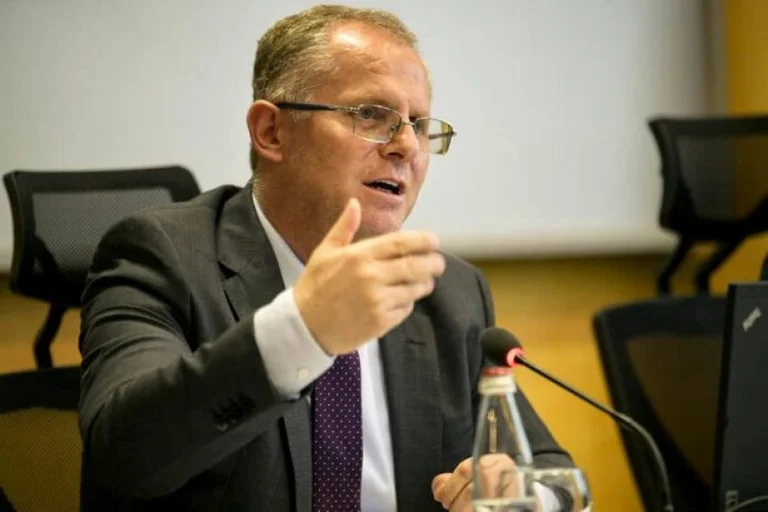
(4 years ago)The first Deputy Prime Minister for European Integration, Development and Dialogue, Besnik Bilsim, said that Kosovo and Serbia are much farther apart than they were in 2011 when the dialogue process began. According to Bislim, there are several reasons the dialogue did not have the desired results. Bislimi, at the 102nd Rose-Roth Semit of the Parliamentary Assembly of [...]
Bislimi, at NATO's 102nd Rose-Roth Parliamentary Assembly Semit on the <x0th Euro-Atlantic integration of the Western Balkans: prolonged challenges, new realities and future prospects”, which are being maintained in Pristina, indicated that in 2011 Serbia had no border change claims nor military bases at the border with Kosovo.
“Follow me in 2022 Kosovo and Serbia are not closer than they were in 2011 but are much further apart from the time the dialogue began. In 2011, Serbia would never raise issues about borders, but now only a decision was needed to implement the agreement when Serbia raised the border issue. In 2011, Serbia did not have 48 police bases along the border with Kosovo, today they have them, and they are only a mile away from the border with Kosovo”, Bislimi said.
Kosovo's deputy prime minister said even the parties in the European Union are committed to signing agreements rather than implementing it.
“All the efforts of the parties in the EU have been up to the signing of the agreement, because the signing was made news, you could come to the media and claim gratitude by saying that my vision and my commitment reached agreement, but after that nobody was interested in what was happening on the ground”, Bislimi followed.
Bislimi said Serbia is hiding behind the five-point European Union that has not recognised Kosovo's independence, while for these states said they have linked it to recognition of the dialogue process.
Serbia seems to have no interest in seriously dealing with dialogue, and primarily they deal with energy problems and alignments with Russia... So far we see a lack of will in the Serbian side to engage constructively whether it is for full normalisation or for resolving any of the existing problems in terms of implementing past” agreements, Bislim said.
Regarding visa liberalisation, Bislimi said France has been one of the sceptical countries but has worked with it to address all concerns.
According to him, all European Union member states agree on visa liberalisation, which according to him is expected to happen very soon.
I agree that France had several objections regarding visa liberalisation for Kosovo, not necessarily because of the large number of asylum seekers in France, but because of the large proportion of Kosovo asylum seekers who have chosen France as a destination because the total number of asylum seekers from Kosovo was the youngest in Europe per head... We've tried to address any open issue that could have had policymakers in France... But on June 23rd, we have a huge support and confirmation of France's strong support for visa liberalisation, and after them other countries are listed behind this stance, and recent reports say all countries are in agreement on visa liberalisation for Kosovo, which we expect to happen very quickly”, Bislim said.
Bislimi also spoke of Kosovo's state commitments in European integration and the reforms it is undertaking.