19 minutes ago
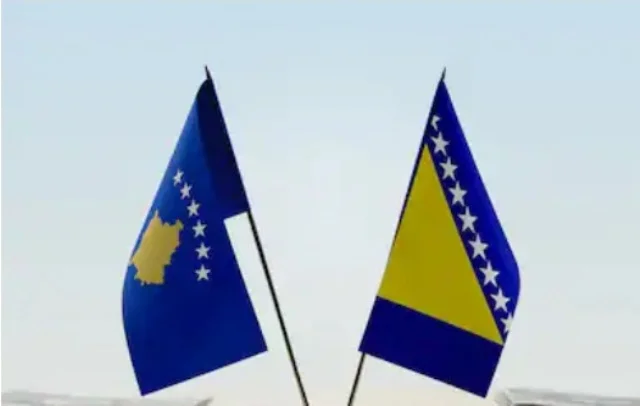
Kosovo, Bosnia and Herzegovina, two Balkan states at heart continue to maintain visa regime
Periskopi(4 years ago)
(4 years ago)Because of the visa regime, economic, cultural or tourist exchanges between the two countries almost do not exist. Kosovo and Bosnia and Herzegovina, although two countries in the heart of the Balkans, continue to maintain visa regimes towards each other, thus making it difficult for the free movement of people and goods. There are also great obstacles to tourists and [...]
Kosovo and Bosnia and Herzegovina, although two countries in the heart of the Balkans, continue to maintain visa regimes towards each other, thus making it difficult for the free movement of people and goods. There are also major obstacles to tourists from these two countries who want to visit cities, museums, or participate in various cultural activities.
Aida Veić, general secretary at the Balkan Museum Network, says that the “visa regime is a major obstacle to co-operation and exchange of experiences between colleagues, is also a serious threat that continues to expand the gap between colleagues and communities by making free movement difficult.
Great Injustice
Veić emphasises that citizens of Bosniak or Kosovo's nationality for travel to both states depend on the simple existence of the visa regime, and those who decide to pass through the visa-taking process are irritated by senseless procedures on both sides (BiH and RKS).
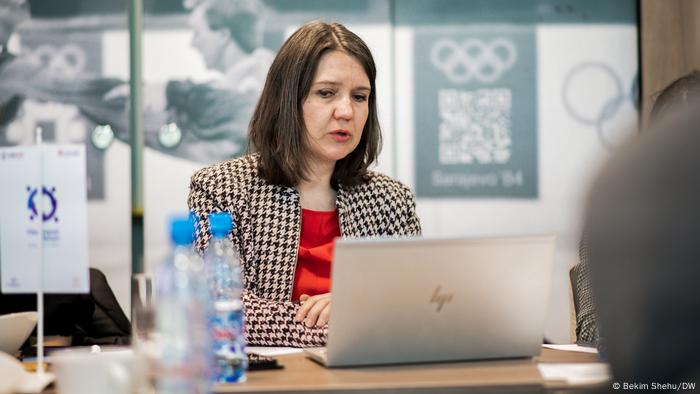 Aida Veić, Secretary General at the Balkan Museum Network
My “personal experience was that I was told I would get a one-year visa, but I found that dates in my passport are only 5 days for the length of the event I was attending in the Republic of Kosovo. Because of the visa regime we need to send colleagues from other countries to attend Kosovo conferences and workshops, but not colleagues from Bosnia and Herzegovina, and that is a great injustice for them.”
Veić shows he wants to visit Kosovo, but that he has to make numerous miles, as visa application must be made in Tirana or Zagreb.
Project implementation barrier
Aida Vejić considers the visa regime a barrier to implementing cultural and heritage projects, as forced to disfellowshipped both countries, the cause of the inability to participate on the part of Kosovo and BiH participants.
“During my work when we discuss the place of maintaining that a regional event we are forced to exclude Kosovo and Bosnia and Herzegovina as an option because we would not offer equal opportunities to all participants, due to the visa regime. It is certain that the existence of the visa regime has slowed down and burdened co-operation between individuals and institutions, and that it is a shame that there is still”, Večić concludes.
Falling Co-operation in All Fields
The most frequent moves between Kosovo and Bosnia and Herzegovina also have the head of the RYCO regional organisation's Kosovo office, Krenare Gashi-Krasnqi. She says the visa regime has significantly influenced the inability of free movement between the citizens of Kosovo and BiH. As a result, it has reduced cooperation in all fields in the impossible to meet and create contacts.
From the perspective of RYCO this barrier in particular makes the free movement of young people difficult, which undoubtedly affects the development of activities that would increase the cooperation and approach of societies in question. In all the open calls from RYCO for support of projects and proposals, we receive very little, or at all applications between organisations and schools between Kosovo and BiH, and this is just a reflection of the reality of how far we are from a real co-operation with each other”, Gashi-Krasnici says.
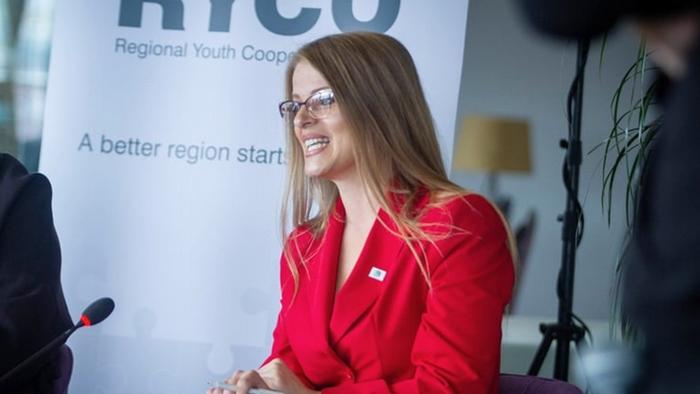 Krenare Gashi-Krasnici, head of regional organisation RYCO's Kosovo office
It shows that application procedures and, up to visa equipment are very complicated, especially those from Bosnia. This has certainly reduced the will of citizens to visit Kosovo and BiH, according to her. Not uncommon is RYCO forced to avoid Kosovo and BiH as places to hold major events, regional Ahmeti only because of the above-mentioned barriers.
Each government must therefore seriously reflect on the consequences of establishing the visa regime and finding concrete will and ways to enable free movement of their citizens. And, ultimately, to change the current reality where goods move more freely than people between Kosovo and BiH”, says Krenare Gashi-Krasnqi.
The procedure for providing a visa for a Bosnian citizen is very complicated, for the fact that each visa is sent for individual approval to the Council of Ministers. The Regional Council for Co-operation is the main regional organisation of the Western Balkans, which has its headquarters in Sarajevo.
Current reports on political and diplomatic plains
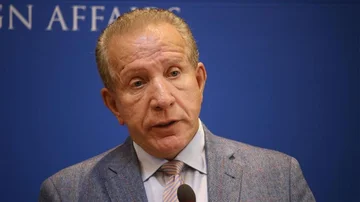
Deputy Minister of Foreign Affairs Kressnik Ahmeti says Kosovo is committed to deepening reports of countries in the region, including the Federation of Bosnia and Herzegovina. Because according to him, our people share similar stories and common goals for the future.
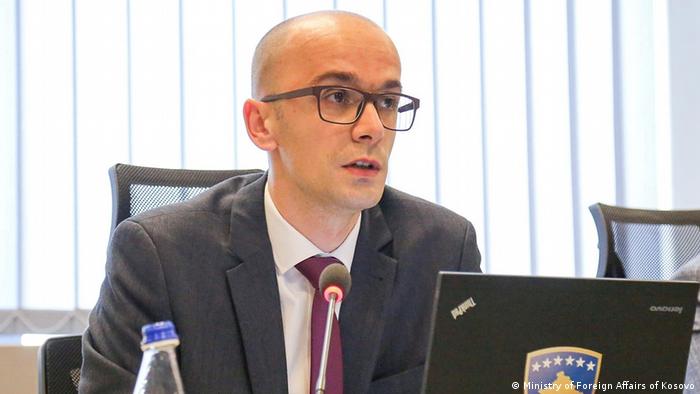 Deputy Minister of Foreign Affairs Kressnik Ahmeti
The narrow co-operation is hampered by the destructive approach of Republika Srpska entity representatives within the Federation of Bosnia and Herzegovina. The formal establishment of diplomatic relations between the two countries is impossible for the same reason. However, the institutions of the Republic of Kosovo take advantage of any opportunity to approach reports with Federation of BiH institutions, which is only the formalism of close reports existing between citizens of both countries”, Ahmeti says.
Ahmeti says the Kosovo government has plans to facilitate free movement is engaged within the Berlin Process together with other member states to reach the agreement for free circulation of citizens of the region through each of the six countries in the Western Balkans.
But according to him in the absence of Kosovo-Bosnia diplomatic relations, due to Republika Srpska's entity, Kosovo allows citizens of the Federation of Bosnia and Herzegovina visa equipment in diplomatic missions in the region, in Podgorica, Tirana and Skopje.
We have a permanent commitment for the policy and consular procedures to be as easy and as fast. Clearly, no matter how efficient these procedures are, the fact that a citizen should be equipped with a visa presents an obstacle. Also, we have great interest in the two states linking diplomatic relations so that the different concerns of citizens, like this with free flow, we solve even in bilateral form”, Ahmeti concludes.
Real problem, everyday
Kosovo Parliament MP Duda Balje, who is of Bosnian origin, has also described the visa regime issue as a real, daily and very negative problem for both Kosovo and BiH.
The visa regime is created as a result of reciprocity and creates major bureaucratic problems every day. We have a large number of people directly affected by the visa regime on both sides, people's travel, goods, cultural exchanges have been delayed”, Balje says.
 Kosovo Parliament MP of Bosnian-born Duda Balje
The MP has recalled the initiative through which concrete solutions have been targeted, but has not found support from authorities in BiH.
“I was the initiator of opening the Office for Relations in Sarajevo and Pristina, as in Greece, which did not recognise us as an independent state or Belgrade's. I wrote to all the relief factors in Bosnia and Mr. Milorad Dodik went out publicly and rejected the request. The liaison office is one of the most concrete solutions to the situation we are in, but we have found no understanding” Balje says. But what has been done by past governments and why the issue of free movement between Kosovo and Bosnia and Herzegovina has not been fixed.
Economic Relations Almost Existing
Former European Integration Minister Bekim Colak says that the greatest paradox is the fact that freedom of movement and economic circulation between Kosovo and Serbia itself has practical modules, there is more liberal spirit, meanwhile BiH is more regid and more totally rejected.
Because of this regime, economic relations between the two countries are almost existing. Culturally though at the time that Kosovo and BiH had been an integral part of Yugoslavia had cultural reports between the two countries, perhaps even more pronounced than with other Federation member states, these reports have now almost disappeared overall. Also, security institutions do not have any bilateral co-operation between themselves, even when any joint action is required should involve international partners to facilitate this” co-operation, Colak added.
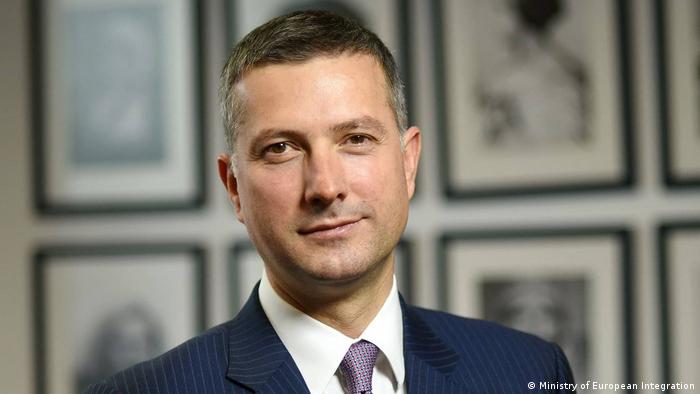 Becky Colak
Even according to Colak, the main victim of this regime are the Bosnian citizens of BiH and Kosovo citizens. On the other hand, Serbian citizens from BiH almost all have dual citizenship by being equipped with Serbian state documents, which clearly facilitates the movement in Kosovo, similar to BiH's Serb citizens, are Croatian citizens having dual citizenship.
Colak, thinks the final results of the Kosovo-Serbia dialogue will also affect the reports between Kosovo and BiH.
The resolutions of dialogue between Kosovo and Serbia will also have an effect on the reports between Kosovo and BiH in the future, as well as visa liberalisation for Kosovo citizens in relation to the EU will evidently increase the pressure of reaching an agreement even between Kosovo and BiH for the free movement of people, goods, capital and services, as among the most pronounced values in the EU “, Colaku has concluded.
Kosovo authorities have sometimes called on Bosnian Federation authorities to remove the visa regime with Kosovo, though Kosovo itself applies reciprocity in this direction. According to them, visa removal has mutual interest in the realisation of common goals and is European integration.
This text was prepared under the “Peace Broadcasting Project: Strengthening young journalists as peace rapporteur” organised by RYCO in co-operation with DW.