2 hours ago
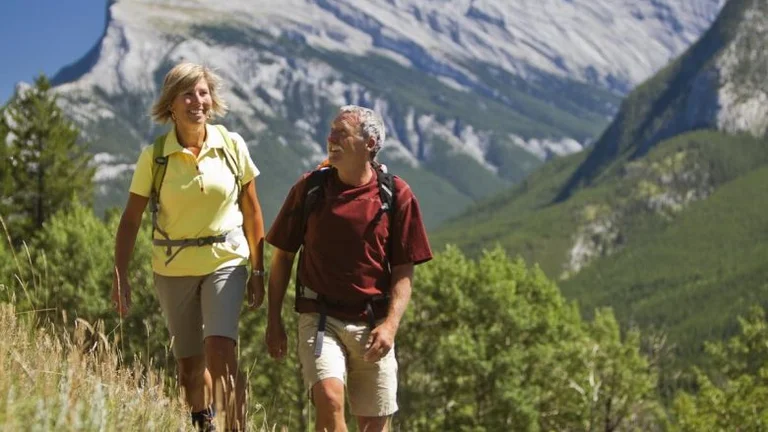
Care for cardiovascular patients: With a sick heart, it is safer in mountains than in the sea
Periskopi(5 years ago)
(5 years ago)Cardiovascular patients, especially those who have recently had a heart attack, should choose where to rest very carefully if you plan to go to the mountains in the first six months until a year after a heart attack, a flight or a bypass implant, it is necessary to seek [...] advice.
If you plan to go to the mountains in the first six months to a year after a heart attack, the implanting of the sticker, or the bypass, it is necessary to seek the advice of a cardiologist before your trip:
Air temperature in mountainous areas is on average lower, so it makes sense that a mountain stay would be useful to cardiovascular patients during the summer months.
However, there is a fear that staying at high altitudes because of low air pressure and the body's response to reduced oxygen presence presents a burden to the cardiovascular system.
In medical literature, altitudes over 2,500 feet [2,500 m] are considered high for cardiovascular patients, while altitudes of 1,500 to 2,500 are considered suitable.
During holidays in mountainous areas, cardiac patients are advised to maintain chronic therapy, including blood - pressure medications, because in higher areas, some patients may have an increase in blood pressure, so that they are particularly advised to avoid greater physical efforts.
In view of the fact that fixing body temperature is based primarily on the functionality of the cardiovascular system, it is easy to realize that people with this disease are an additional burden and an extraordinary effort.
This is especially pronounced in older people because the ability of blood vessels to expand, but also the circulation of blood into skin and the release of heat from the body reduces age.