6 minutes ago
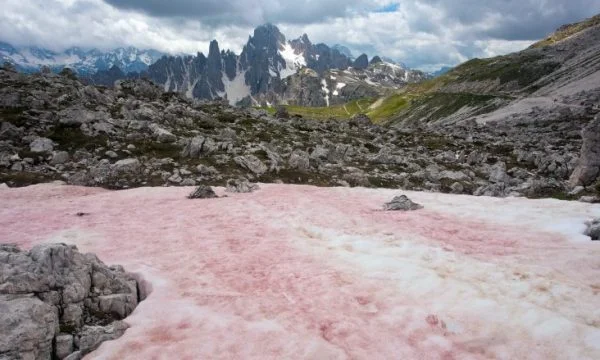
Red snow in the French Alps what is causing this natural phenomenon
Periskopi(5 years ago)
(5 years ago)It was shocking and shameful to face such a sight on a quiet mountainside. If you walk too high in the French Alps during late spring and early summer, you will likely encounter some very strange snow fragments between gray limestone and cloud piles [...]
This specific phenomenon, also known as bloody snow, is the result of a defense mechanism produced by microscopic algae that grow in alpine snow. As a rule, these microalgae are green because they contain chlorophyll, a pigment family produced by most plants to be able to absorb energy from sunlight.
However, when snow algae grow with fruit and are exposed to strong rays of the sun, they create red pigment molecules known as carotenoide, which act as a sun shield to protect their chlorophyll, reports the bbc.
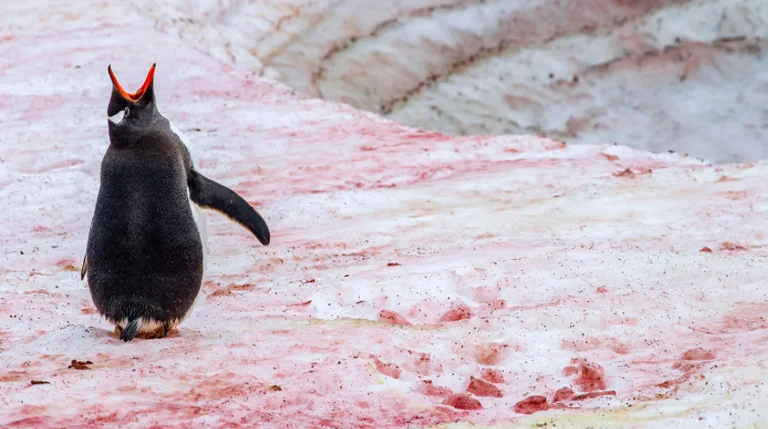
Although red snow algae were long known, a book by 1819 mentions that they were discovered during an expedition in the Arctic in 1818, and the mysteries that scientists are trying to discover are still interlocked around them.
Two years ago, botanists from Charles University in Prague identified a completely new gender of microalgae, which is responsible for showing red and orange snow in various parts of the world, which they called Sangin after the red blood color they produce. Scientists have found forms of Sangun algae that create red snow in Europe, North America, South America, and both polar regions. A Sanguin species that causes unusual orange snow has also been found in Svalbard.
It's not the only type of microalgae responsible for red snow. Other species, such as Chlamydomonas nivalis and algae that grow near Antarctica's penguins ' colonies called Chlomonas polyptera, also produce pigments to create snow - red and pink.