a minute ago
The Economist: A strange Israeli support from Serbia, Kosovo
Periskopi(6 years ago)
(6 years ago)It is unusual that events at the world's two constantly problematic points - the Balkans and the Middle East - will be blended, at least peacefully, writes the Economist”. But on September 4th, US President Donald Trump called his friend Benyam Netanyah to show he had convinced the leader of Serbia and Kosovo [...]
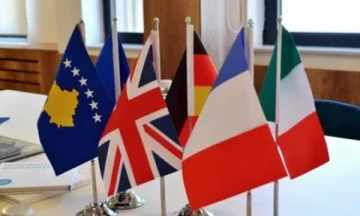
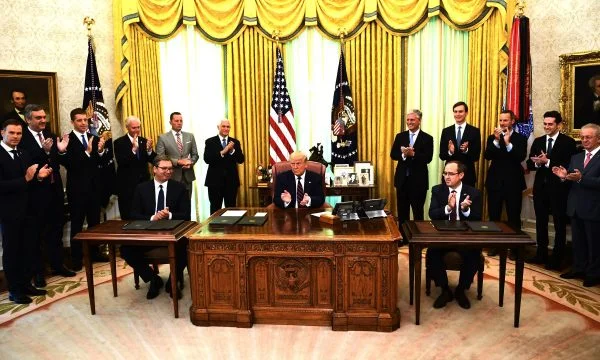
But on September 4th, US President Donald Trump called his friend Benyam Netanyah to show that he had convinced the leader of Serbia and Kosovo once part of the same state, now fierce enemies of Turkey gave a warm embrace to Israel. Kosovo and Israel, he told them, would recognise each other. And both Balkan states, ignoring the policies of the European Union, which they hope to become, would know Jerusalem for the capital of Israel.
It was this second successful movement for Trump and Netanyah following last month's agreement between Israel and the United Arab Emirates for full diplomatic reports between themselves. Ron Dermer, Israel's ambassador to America and one of Netanyah's closest advisers, is said to have been behind this success.
How Trump urged the two Balkan states to take such steps is unclear. Kosovo's prime minister and the Serbian president were at the White House to sign a US-brokered agreement despite the disappointment of the EU, which itself is trying to reach agreement between them (Serbia does not recognise Kosovo). Officials hope the economic agreement will strengthen foreign investments in both countries, perhaps bringing in warm reports.
The deal may not be what it looks like at first sight. The opening of embassies in Jerusalem is not expected to occur before mid - 2021. Until then, Trump may have to leave the White House. And, almost immediately after signing the agreement, some Serbian sources say their state may not remove the embassy to Jerusalem if Israel recognises Kosovo (which Israel is reluctant to do, not encourage Palestinians). Serbia's President Aleksandar Vuciq seemed somewhat surprised when Trump announced that Serbia would take action.
This has more to do with American politics than with the Balkans or Middle East”, says Dahlia Scheindlin, Israeli expert about the Balkans. “Trumpi is facing a threatening political environment and aimed at a foreign policy spectacle, something his friend Netanyahu knows toge”, she added.