8 minutes ago
Psychiatry: Self - control causes nervousness and carelessness
Periskopi(6 years ago)
(6 years ago)Boring. Disillusionment. Anger. Anxiety. Exploration of relationships. More than one billion people worldwide are trying to endure these different symptoms of self - control. Deutsche Welle: Hundreds of millions have been locked in their homes. What should we expect to happen to them? It's physically difficult, it's psychologically difficult because it's not [...]
Boring. Disillusionment. Anger. Anxiety. Exploration of relationships. More than one billion people worldwide are trying to endure these different symptoms of self - control.
Deutsche Welle: Hundreds of millions have been locked in their homes. What should we expect to happen to them?
It's physically difficult, it's psychologically difficult, because it's not social isolation the way we work as human beings. The entire course of life becomes more difficult and disappointing. There is evidence that people once become careless.
I think we're gonna find out it's gonna be hard for a lot of people. There'll be some that will be fine, but if you're not like us, you'll have a pretty big, comfortable property I think it'll get less and less bearable over the weeks.
What will change with people who isolate themselves in the coming weeks?
First of all, in the short term, we have proven that we adapt as species, very quickly, to new realities. Our government has been very careful to signal in advance almost all the changes that have been made. So everyone's been waiting for a house job, a restaurant closure, then a full stop.
So they've given us some time to prepare, which I think has been very helpful. But, after a while, people start to stop getting impressed, stop worrying, or they just say: “I don't care, stop it, I just want to go out to see people or do something “.
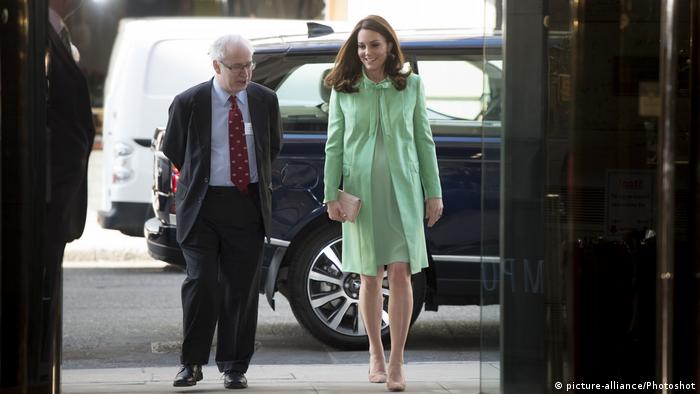
Simon Charles Wessely looked at Kate
What exactly will they feel every day?
You don't need to be a psychiatrist to know that emotions are frustration, frustration, anger, nervousness, and irritability in relationships. And remember, a lot of people now have to do with their kids who should be in school, but now they're not a very controversial decision, really. This has happened throughout Europe and the world. School closure has increased pressures.
At last, man's desire for real social contacts face to face or for variety: People will start to give themselves freedom, not because they do not want to agree, but because they will simply consider what is asked very difficult. This will be different from the person in person, and of course a large number will obey. But not the others.
How does altruism affect this? The idea that I help others by entering quarantine myself?
I think that's probably the only most important question. We know that those who are forced into quarantine go worse than those who volunteer.
And those who look at them, or see them, as people who have acted with altrium and entered quarantine to protect others maybe the newly born baby of the sister, or old parents will do better in the short and long term.
So altruism, and calling for altruism, and making people feel that they are doing something a little heroic, little to benefit others, is the only most important thing local authorities can do, the police, governments.
And I think there's another thing going on. A lot of people, and I have to say, I almost want to get infected with COVID-19 and get over it.
So my wife's lucky. She was tested, and now she had the virus, and now she's immune or at least immune to the near future and she's going back to work as a doctor, doing a good job. And many people say: “let's just leave it behind. Then we can go back as unselfishs to contribute to society. Or at least I know that I've been past”. My wife was sick enough for two days. For two days it was really horrible. But he recovered almost as quickly as he became ill. And now she'll come back to her normal, ordinary self, if anyone can describe Clara as normal...
Sir Simon Wessely is president of the Royal Society of Medicine and coauthor of a summary on the psychological impact of quarantine. He spoke of DW under quarantine imposed after his wife became ill with COVID-19. Wessely is a psychiatrist, its academic discipline is epidemiology, or the study of large populations.
He is an expert on issues such as military health, terrorism, how people react to emergency situations and disasters, and major surveys and studies. Earlier he was president of the Royal College of Psychiatrics. / DW