Haradinaj accuses Kurti of energy failure: Where are thermal power plants and strategic investments?
 6 minutes ago
 (6 years ago)
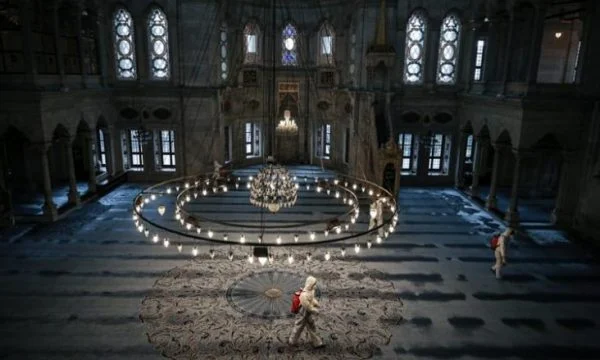
For weeks, mosques around the world have taken a series of measures aimed at curbing the spread of the new coronavirus. As an increasing number of countries announced roadblocks, so did mosques, with many closing doors altogether and others stopping rituals and appealing to people of [...]
For weeks, mosques around the world have taken a series of measures aimed at curbing the spread of the new coronavirus.
As a growing number of countries announced roadblocks, so did the mosques, with many closing doors altogether and others stopping rituals and urging people to stay at home, writes Al Jazeera, along with Telegrafi.
With the global death toll from COVID-19, the disease caused by coronavrus, exceeding 70,000 and more than 1.28 million cases of confirmed infection, many mosques are trying to keep their communities engaged using live broadcasts and local stations to broadcast sermons and classes.
In this direction, Al Jazeera has brought a look at how some of the world's largest mosques have adjusted their services in the time of COVIDD-19:
Mecca's Great Mosque
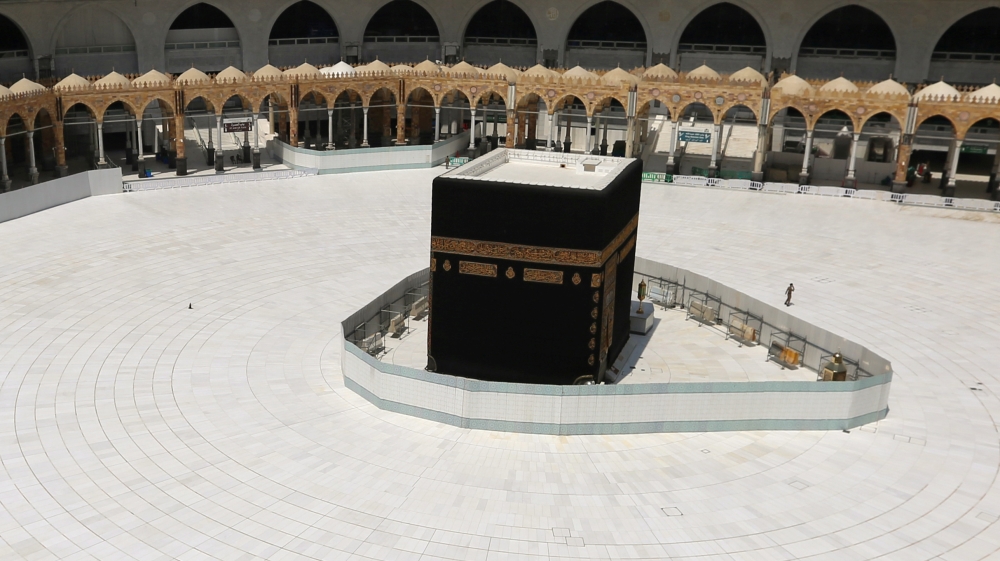
Worshipers are not allowed to enter Mecca's Great Mosque, nor are the Prophet's Mosque in Medina, two main mosques for Muslims, after Saudi authorities suspended prayers on 19 March in an effort to fight the spread of the virus.
The ban followed a series of other measures in Mecca, including an initial ban on those praying near the House; and a ban by Umre, which some seven million Muslims carry out each year.
It remains unclear whether Haxhi's pilgrimage, which every capable Muslim must perform once in their lives, will be held this year.
Jerusalem's Al - Assa Mosque
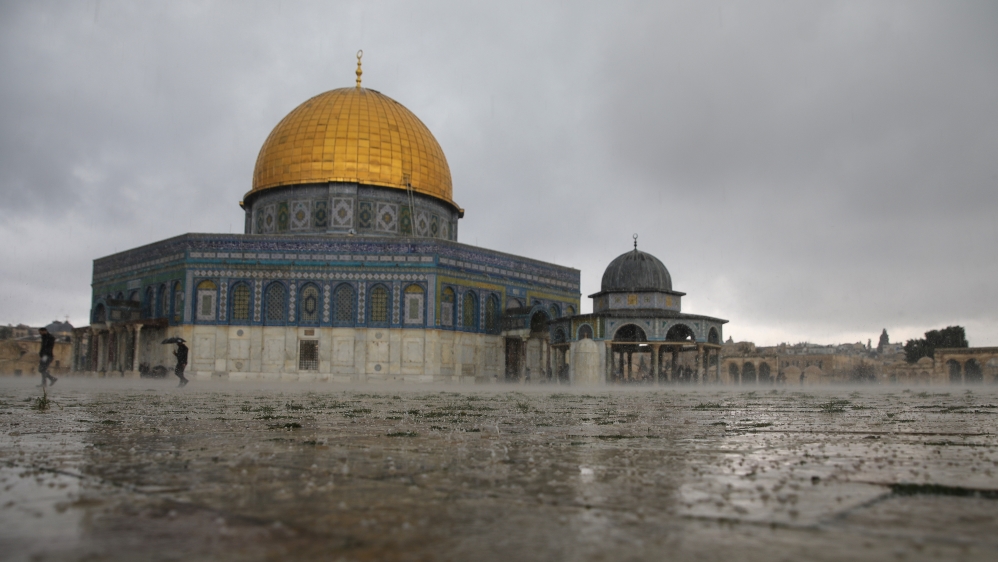
Muslim prayers at Jerusalem's Al-Aqsa Mosque have been suspended from March 23rd to further announcement.
The mosque doors were closed a week before the full ban was implemented, allowing believers to assemble for prayer in open areas of the complex.
Turkey's Fatih Mosque
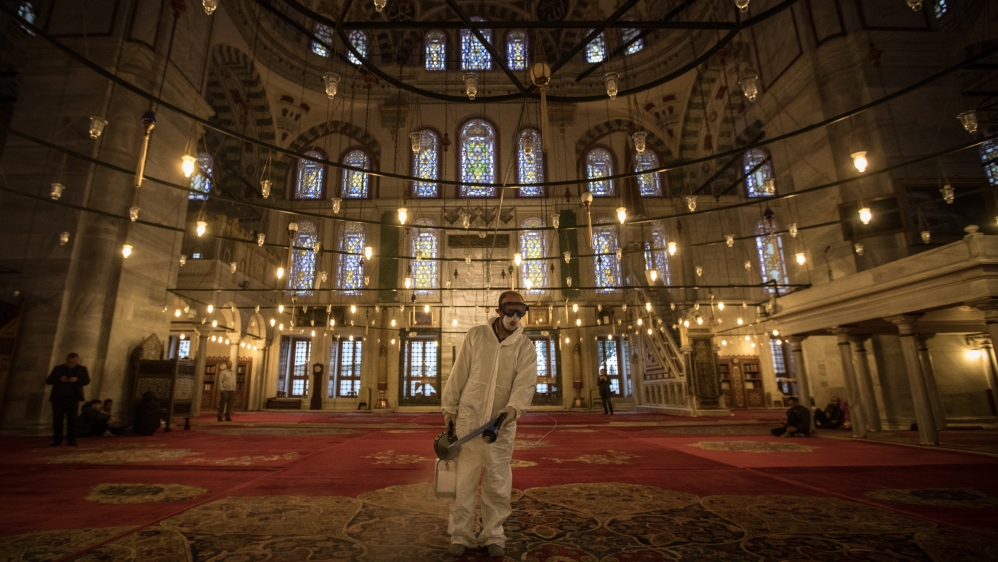
Turkey has cancelled all Xhemat prayers at the mosque, including Friday's prayers, since 16 March.
Many mosques have since added a number of lines to the end of the essay, informing people of the decision and calling on them to pray at home.
Larger mosques have also broadcast prayers through microphones.
While the Fatih Mosque, one of Istanbul's largest and most historic mosques, has kept its doors open, Xhemat prayers are prohibited, writes Al Jazeera, records Telegrafi.
Turkey is among the 10 worst hit countries in the world, with more than 27,000 cases of coronavirus and nearly 600 deaths.
Sheh Zayed Grand Mosque in United Arab Emirates
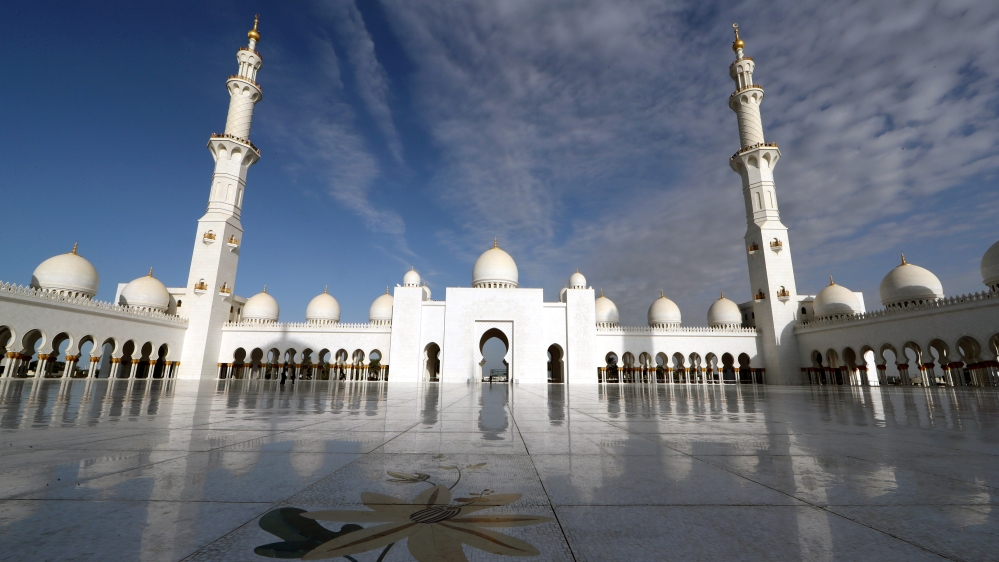
Sheh Zayed's Grand Mosque has been closed for prayer and visits since March 15th.
Placed in Abu Dhabi, capital of the United Arab Emirates, the country's largest mosque and the country's main place of worship for daily, Friday and Bajram prayers.
As well as a place of worship, the mosque is also considered a major tourist attraction.
According to Amr Salah, a resident of Abu Dhabi and frequent mosque visitor, the complex has been completely closed.
Iraq's Moussaw Great Mosque
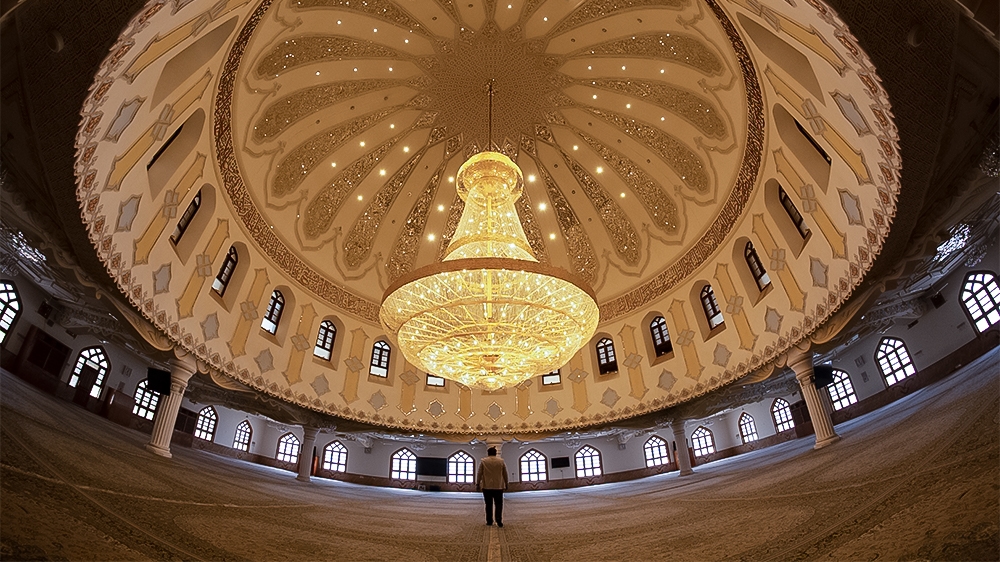
Iraq's top Shiite leader, Ajatomu Ali al-Sistani, has issued several acts urging citizens in social distance and avoid religious gatherings in order to curb the spread of the coronus.
Like other mosques across the country, the doors of the Moussawi Grand Mosque in the southern Iraqi town of Basra have been closed for worshipers and visitors.
Iraq, which has imposed a nationwide curfew since 17 March, has confirmed more than 950 cases of COVID-19 and 60 deaths.
Malaysia National Mosque
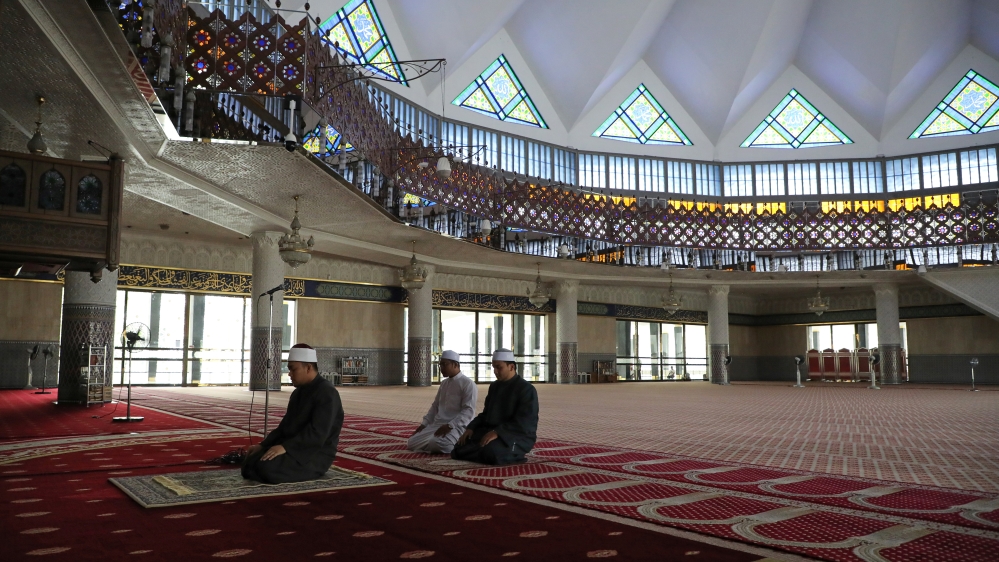
Malaysian authorities have imposed a movement control order since 17 March.
According to Siti Syuhada, a resident of Kuala Lumbropur, the directive has meant that all mosques are closed to the public, with only imam and staff members allowed to enter.
In Malaysia's National Mosque, a major tourist attraction and religious centre in the capital, the mosque has continued to make five daily prayer calls.
London's East Mosque
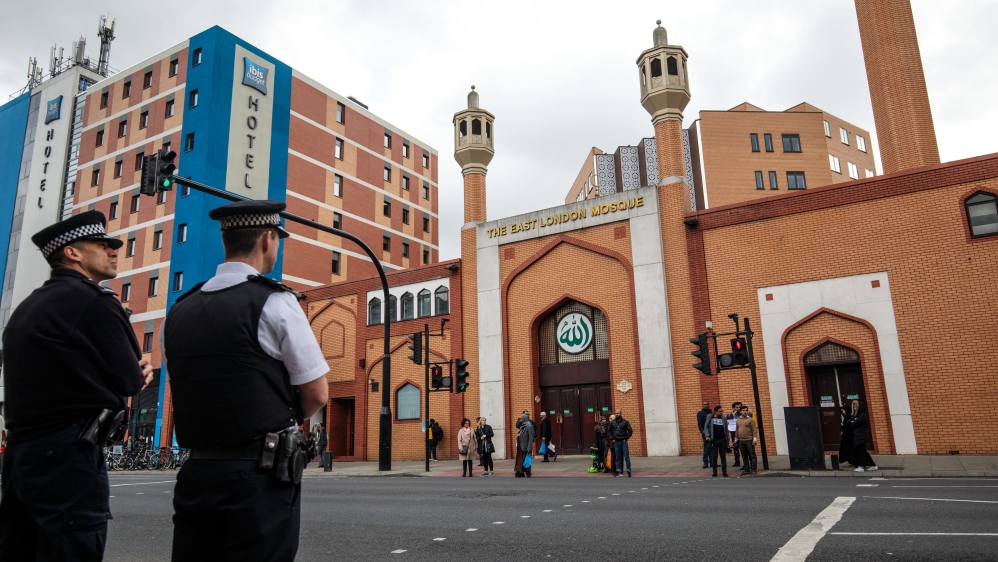
The largest mosque in the United Kingdom, University of London, has banned all members of the public from entering, as a measure to curb the spread of the coronavirus, Telegrafi notes.
After taking an initial limited stance to curb the spread of the virus, UK Prime Minister Boris Johnson announced a nationwide closure on March 24th, closing public spaces and preventing people from leaving their homes unless for necessary purposes.
Prior to this movement, Muslim associations, including Britain's Muslim Council (MCB), called on mosque leaders in the United Kingdom to prepare for a suspension of municipal prayers by placing video connections to local sermons and direct activities.
The United Kingdom has one of the highest cases of confirmed COVID-19, with about 50,000 and about 5,000 dead.
New York Islamic Cultural Center
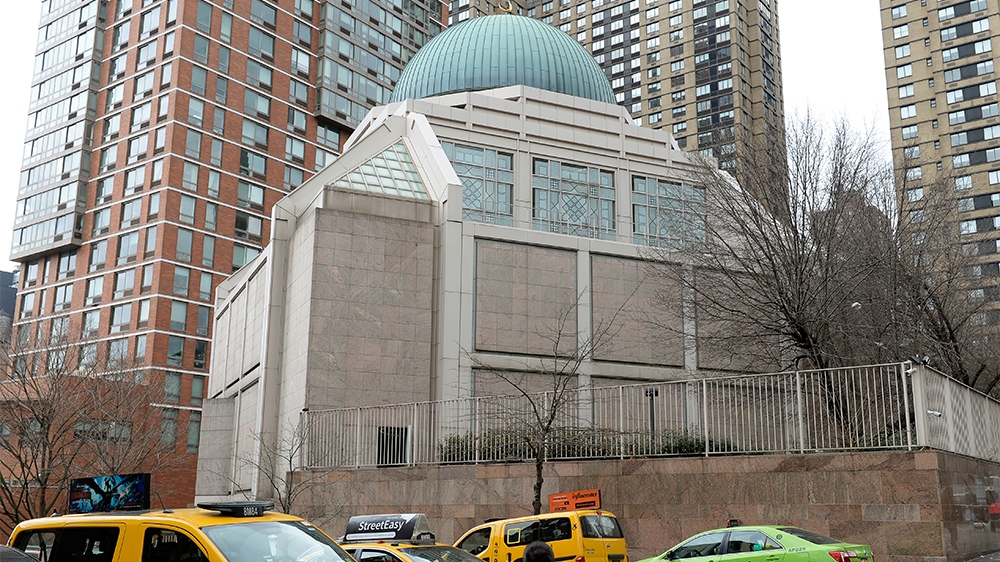
Since March 20th, the Islamic Cultural Centre of New York, which is one of the largest mosques in the American city, banned all of the jammat including Friday's prayers, as well as weekly classes and weekends, according to its website.
According to the centre's website, Friday's prayers have been suspended, but regular clocks and activities are being conducted virtually through Zoo and Facebook Live.
US President Donald Trump issued a March 28th travel warning for the hard-hit zone in New York to limit the spread of the virus.
Even the US tops the list of countries with confirmed cases COVID-19 in more than 340,000 cases, as well as the number of United States also reported more than 10,000 deaths.
 4 hours ago