7 minutes ago
Latif vs. Haxhi: Not to Forgive War Crimes
Periskopi(6 years ago)
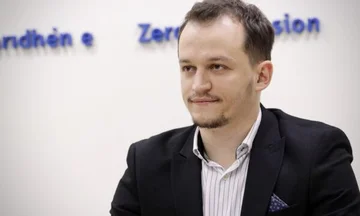
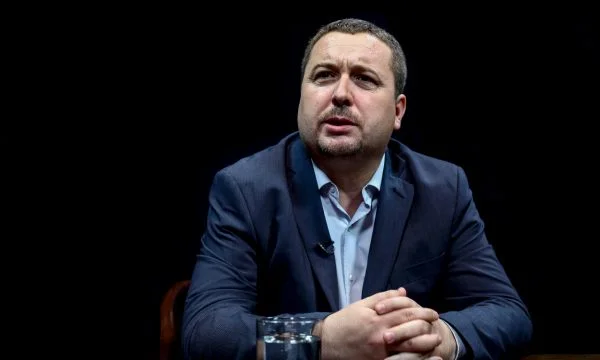
(6 years ago)Philosopher Blerim Latifi has made a post on his Facebook account in which he has troubled the issue of pardoning/unforgiving war crimes. The idea of pardoning/unforgiving war crimes was provided by journalist Baton Haxhiu, who had declared that “after 20 years of justice came to anyone's aid. ” However, through [...]
The idea of pardoning/unforgiving war crimes was provided by journalist Baton Haxhiu, who had declared that “after 20 years of justice came to anyone's aid. ”
However, by means of a Hebrew lecture, philosopher Blerim Latifi objects to this fact, saying that no one has the right to speak in the name of the people, especially in the name of the victims, goes to Periscope.
If we forgive criminals, without asking victims, we commit a second crime against them, because we are using them for a purpose that has nothing to do with them, but with our interests. ” writes Latifi.
In fact, Haxhiu has not demanded that war crimes be forgiven morally but that they be forgiven through an agreement that would abolish possible court sentences. Even this idea as such has been flatly rejected by many in Kosovo.
Full status:
Hebrew lecture on the problem of amnesty of war crimes
A piece cut off from my writing, published months ago.
Simon Visental, as a prisoner in Nazi extermination camps located in Poland one day, along with several other prisoners, is sent to a Nazi hospital to perform certain tasks. There, in a boat, he meets with a Nazi soldier who is dying of severe wounds he has received during the fighting on the Russian front. The soldier, that's a dYou've given them a spirit, seeks to confess to the Visental, just as repentant Christians confess to the priest on the eve of death.
The soldier tells the Visitor of monstrous crimes against the Jews in which he attended. He is repentant and demands that he forgive it in the name of the Jewish people.
The visitor hears the soldier's confession and then leaves without saying a word. This action of the Visental has prompted great debate as to whether it was proper, morally. Was it possible to accept repentance and seek his forgiveness? The Visitors' answer is undeniable. It is understood in the very act of leaving the soldier without saying a word.
And there are some arguments that support this visual response:
First: No one had authorized the vision to speak and make a decision in the name of the Jews.
Second: None of the families of the Holocaust victims had been authorized to do the same.
Third: He couldn't speak for innocent massacres and make a decision about their suffering.
Fourth: Neither the Jewish people nor the families of the victims can make an apology decision in their behalf without asking them, because forgiveness, at its core, is a personal act, and only one who has suffered the crime can carry out this act of forgiveness.
If we forgive criminals without asking the victims, we commit a second crime against them because we are using them for a purpose that has nothing to do with them but our own interests. So forgiveness is morally impossible! It's a violation of basic moral laws! It's a crime against humanity!