7 minutes ago
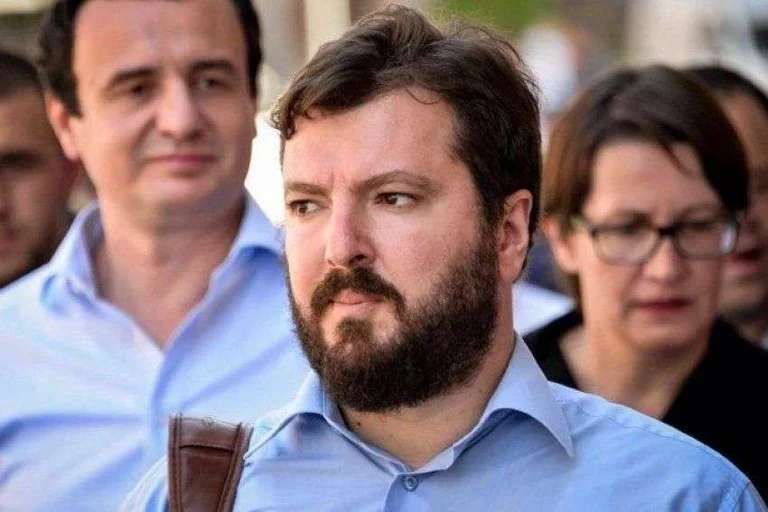
The VV's Zaim goes against the defence Rama made to Albin Kurti: We don't need hostility with the opposition
Periskopi(6 years ago)
(6 years ago)One of Vetevendosje's most vocal members, Arber Zami, has reacted to the words of Prime Minister Edi Rama, who defends Albin Kurti from former Prime Minister Ramush Haradinaj's direct attacks. But Zaim has a rather strange reaction to the case in question. He claims that the Kurti government does not need protection from Rama, [...]
But Zaim has a rather strange reaction to the case in question. He declares that the Kurti government does not need protection from Rama, but needs opening for co-operation with the opposition, rather than hostility with it.
“What we would have expected and what we expect, not by the person, but by every prime minister of Albania, is uniting Albania's positions and strategy with Kosovo, as far as international politics are concerned,” he writes on the Facebook account.
We remember that earlier, former Prime Minister Haradinaj had again attacked Prime Minister Kurti, calling him a fraud, after which Rama had reacted sharply.
It seems that the Kurti government is in great need to co-operate with the opposition following pressure from international factors regarding dialogue with Serbia, writes Periscopi.
The following is his full status on Facebook:
We don't need Rama to protect us from Ramush. We have ourselves been unjustly demonised and oppressed, and part of the change we've wanted is the sincerity and the opening to co-operation with the opposition, not hostility with it. What we would have expected and what we expect, not by the person, but by every prime minister of Albania, is uniting Albania's positions and strategy with Kosovo, as far as international policy is concerned. We do not need protection from the opposition, we need a common attitude towards countries and hostile projects towards Kosovo citizenship. These countries and projects have gained space, precisely by exploiting the non-coordination of Albanians and their tendency to score “points to the superpowers by showing the remaining “co-operative” with the neighbour, often stepping over the brother, whether in the other arm of power or on the other side of the border.