9 minutes ago
QKUK's anesthesiologist shows what ventilators and respirators are
Periskopi(6 years ago)
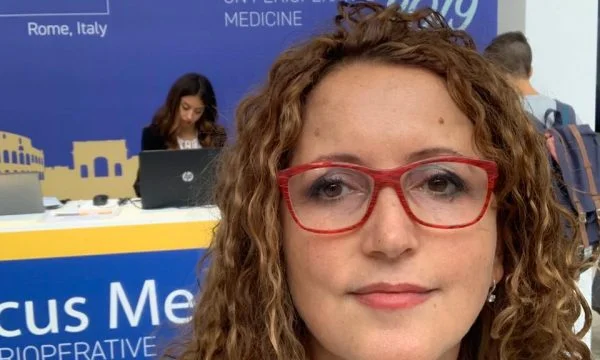
(6 years ago)Anesthesiologist/intensitivism Clinic Institute of Intensive Medicine Dr. Agreta Gecaj-Gashi, has clarified what function laymen have, respectively, ventilators that can provide patient support during intensive treatment. “Ventilators are sophisticated machines/paradatures designed to provide mechanical ventilation to patients who have trouble breathing and once lack oxygen. [...]
“Ventilators are sophisticated machines/paradatures designed to provide mechanical ventilation to patients who have trouble breathing and once lack oxygen. Respiratory support, as it is called, can be partial and complete depending on the condition of the patient”, Gicaj-Gashi wrote.
The patients with COVID 19 are fortunately treated by infected people at the Infectious Clinic. According to statistics from other countries, about 10% of the sick who are in danger of life, they need respiratory support. But with these patients on the front line and last, we'll deal with anesthesiologists/intensivists. So they're the most critical, the most severe patients and that in Intensive Medicine, they're fighting every minute for their lives. Are we in danger? Very!! Each inference or manipulation with air routes poses great danger, despite the PPE” protection, it has written.
Read the full post:
Since recently there's been a lot of talk about ventilators/repressors, I found it reasonable to give a professional clarification, since we have tools every day. Ventilators are sophisticated machines/paradatures designed to provide mechanical ventilation in patients who have difficulty breathing, and once they lack oxygen. Respiratory support, as it is called, can be partial and complete depending on the patient's condition. Ventilators are located in Intensive Medicine and mechanical ventilation is a dynamic process, and it is guided or monitored by professionals who specialize in this anesthesiologist/intensivist lem. A mechanical ventilation is done through a tube placed on the patient's beam, and the ventilator propels the air with positive pressure along with the concentration of oxygen that we assign depending on the patient's needs, trying as much as possible to imitate the normal cycle of breathing. Mechanical ventilation is science in itself, so it saves a lot of lives. Can the ventilator damage the patient? But if the staff aren't familiar to work with him, even as one of my colleagues said, the fan in the hands of no professional is a very dangerous weapon. Recently we're seeing the world become improvised due to the lack of ventilators. We don't believe there's going to be any need in the worst scenario, we also have an anesthesia device in the operating room that could be used as a very good vent.
In patients with COVID 19, luckily most are treated by infectious people at the Infectious Clinic. According to statistics from other countries, about 10% of the sick who are in danger of life, they need respiratory support. But with these patients on the front line and last, we'll deal with anesthesiologists/intensivists. So they're the most critical, the most severe patients and that in Intensive Medicine, they're fighting every minute for their lives. Are we in danger? Very!! Any combination or manipulation with air routes poses great danger, despite protection with the PEP.
Anesthesiologists/intensivists are also few and very busy during our daily work, with emergency, intensive operating halls. There are three anesthesiologists/intensivists at the Intensive of the Intensive Clinic. Other Intensities will be on hand along with anesthesiologists/intensivists.
May you need us as little as you need, and this at this time you can do it by staying home!!