Haradinaj accuses Kurti of energy failure: Where are thermal power plants and strategic investments?
 11 minutes ago
 (6 years ago)
As the choreographer progresses rapidly in and beyond the European countries, an increasing number of companies join the race for treatment as efforts to detect a vaccine follow. But if it takes a lot of time for the vaccine, finding a cure medicine can save lives. At the university hospital [...]
As the choreographer progresses rapidly in and beyond the European countries, an increasing number of companies join the race for treatment as efforts to detect a vaccine follow. But if it takes a lot of time for the vaccine, finding a cure medicine can save lives.
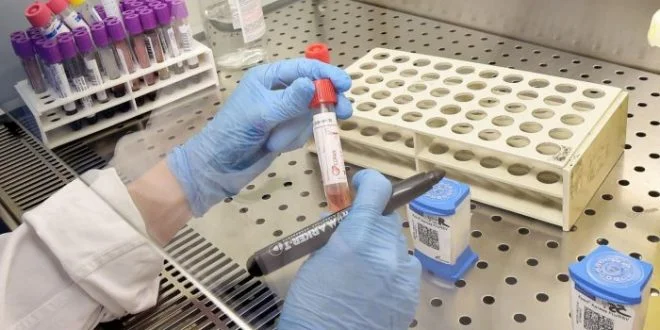
At Ghent University Hospital, the Flamand Institute of Biotechnology has initiated clinical trials of Leukine medicine.
While doctors have focused on treating those with this disease, which behaves differently from one patient to another, they have noticed that patients who end up in intensive care have the same complications: kidney failure, liver jams, blood problems and breathing. They often have a very long fever, much longer than usual, which is not typical of a normal lung infection. The priority for those patients is to treat them in any way possible before these complications become fatal.
Doctors turn to existing treatments, such as anti-malarial chlorococolate, which was tested in the SARS virus' laboratory samples. Leukina operates on lung cells called alveolare macrophages, which are attacked by the Devid-19 infection.
The medicine is being tested on patients at Gent's university hospital in Belgium and will then be tested at Bruzi Hospital. Teams from Germany and Italy have also expressed interest in joining this search.
produced, this drug will be administered free to Greece's hospitals. The production is undertaken by Uni-Pharma, which has announced that the new Unikinon drug will be produced in 24 million doses, which will be provided free to the Greek state and then the patient treatment regime will be introduced on the basis of scientific community suggestions. Uni-Pharma has determined that she has obtained the license to produce this drug in Greece, for the first time in 1984. Klorokina is used for treatment of malaria, a often deadly disease spread by mosquitoes.
 4 hours ago