a month ago
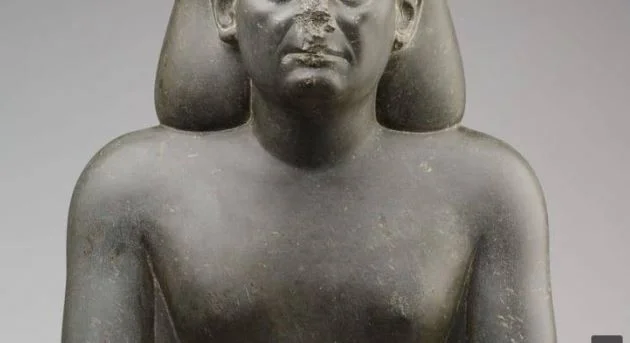
Mystery detected: That's why Egyptian statues have broken noses
Periskopi(6 years ago)
(6 years ago)One of the issues we've always been interested in is that the noses of Egyptian statues have always been broken with no idea why this happened. The question that curator Woodward Bleiberg asked in the Egyptian Museum was why are statues' noses broken?
The question that curator Woodward Bleiberg asked in the Egyptian Museum was why the statues' noses are broken?
“The compliance of models where damage is found in sculpture suggests that it is intentional,” said Bleiberg, citing numerous political, religious, personal and criminal motivations for acts of vandalism. Given the distinction between accidental damage and deliberate vandalism came to recognize such models. Ancient Egyptians attributed important powers to images of human form. They believed that the essence of a deity could dwell in an image of that deity, or in the case of people who were torn apart, a part of the soul of that deceased human could inhabit a statue written for that particular person. These vandalizing campaigns were therefore intended to disable the force of an image”, as Bleiberg put it.
In one grave, they served to feed “ ” the deceased in the next world with food gifts from this.
Scientists came to an interesting conclusion. The statue of Egyptian deities is still connected to this life, so even the worshipers of the deities believe that by means of these statues can be connected to the world of eternity and stop this act <x0hynor”, people have snarled at statues of “by <xx3> because they cannot breathe and are no longer connected to this world. That was the motive to realize the iconiclasm.
Another version of the broken noses of statues is that when people stole precious statues, people escape because of the curse of statues because of their lives, they broke their noses as a form of taking their lives, writes CNN.
The widespread practice of harming images of human form and the anxiety surrounding desecration date back to early Egyptian history. Tribes deliberately damaged by the prehistoric period, for example, speak of a highly fundamental cultural “that damage to the image harms the person represented”, Bleiberg said.