25 minutes ago
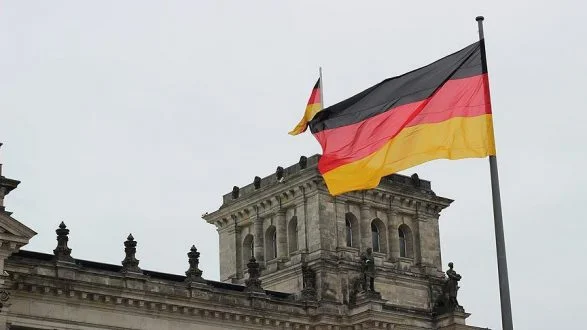
Al Jazeera: Germany is destroying labour market in Balkan countries
Periskopi(6 years ago)
(6 years ago)Germany needs workforce and the government is speeding up migration of foreign experts. A new service has opened in Bonn, which will co-ordinate recognition of professional qualifications taken abroad. The German economy depends on immigration, that is why the federal government has launched a programme to attract experts [...]
A new service has opened in Bonn, which will co-ordinate recognition of professional qualifications taken abroad.
The German economy depends on immigration, this is why the federal government has launched a programme to attract foreign experts under the motto “make it to Germany”, a national priority.
Without foreign experts, we will not be able to maintain our well-being. We just can't wait for these people; we have to work hard for them,” said Labour Minister Hubert Hale.
Lack of workers is a major business risk
The German Statistics Bureau claims that the number of working-age citizens of the Federal Republic of Germany will be reduced from four to six million by 2035.
In many industries there is a lack of work.
According to the German Chamber of Commerce and Industry (DIHK), about 56 per cent of the surveyed firms currently consider job shortages to be the biggest business risk.
The third German company is employing workers from the European Union and third countries in recent years.
Many businesses are unable to receive new orders due to lack of workers and suffer serious financial damage.
The federal government has understood businesspeople's demands and has worked hard for some time to create conditions for attracting experts from abroad.
After a long debate, the Law on Migration Employment was passed, acknowledging that the federal government was Germany's immigrant country six decades after the first major wave of gastarbeiters arrived.
The main goal of the new law is to facilitate foreign workers in the German labour market, almost all industries.
Foreign diplomats attended by 1,400 services
In principle, it doesn't matter where one comes from, the most important thing is to prove that someone wants to integrate into a country, that someone wants to cooperate and be part of society. And then it's not the question where it is, but how someone wants to integrate”, she told Deutsche Welle. Federal Education Minister Anja Karlizzek, Fena reports.
On Monday, it opened a new Central Office for the Recognition of Professional Qualification (ZSBA) in Bonn, along with a colleague from the Federal Cabinet, Heil.
According to local media reports, there are currently about 1,400 different services of recognition of foreign degrees in Germany.
The process of recognition has been very complicated so far and it has taken a long, long time, longer than in Scandinavian countries, the US or Canada.
Germany in the global war for best experts can no longer count, say, in the federal government.
The new Foreign Qualification Information Office, which began work earlier this month, should correct this.
What helps Germany (new immigration regulations) on the one hand presents major problems for Southeast Europe, not only by the university's most qualified seniors, but also by stewards, drivers, auto mechanics and workers from other industries.
100,000 workers leave the region
More than 100,000 workers leave Germany, Croatia, Bosnia and Herzegovina every year.
In Germany, a new law on migration of professional workers goes into effect on March 1st.
It should facilitate the arrival of Germany and the search for jobs of all skilled workers from non-EU countries.
In the future, the rule that benefits automatically from EU citizens will no longer be valid.
One of the most targeted regions by German employers is the Western Balkans, as workers from the region enjoy a good reputation in Germany, writes DW.