Haradinaj accuses Kurti of energy failure: Where are thermal power plants and strategic investments?
 10 minutes ago
 (6 years ago)
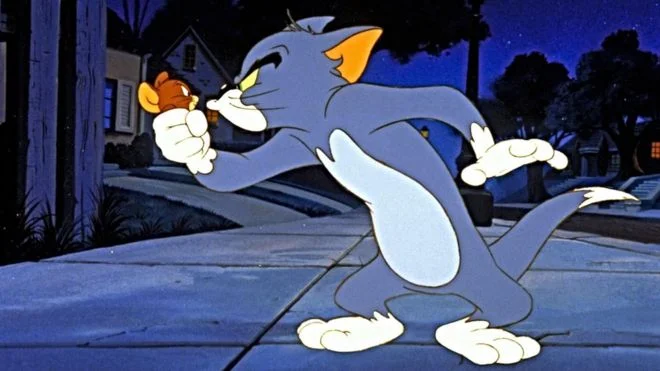
The animated cat, tired of the annoying mouse living in her house, plans to get her out of the house with set traps, mainly cheese. But the mouse, being smart, understands the trap and even hurts the cat even more. The confession always ends the same: The cat is in [...]
The confession always ends the same - the cat is in a quarries of pain until another plan is missed.
This animated tale is known to each of us. Tom and Jerry are 80 years old this week and are one of the most popular cinematography couples, writes BBC, translation Periscope.
The creator of this confession, the animationrs Bill Hanna and Joe Barbera were less than 30 years old when they started their work.
Barbera said that she loved the simple concept of an animated cat and mouse in the constant conflict.
These two characters dominated child television for decades.
Yet, even criticism has not been slim. First, “Mammi Two Shoes” of the lady of the house where the cat [Tomy] was housed as a black house with an exaggerated southern accent. Parts of the series also contained jokes about what is known as “bruckface” and also racist presentations of Asians and indigenous Americans.
Warner Brothers already have Tom and Jerry's rights, and they're making a movie just before Christmas this year. There is little known about the proytkin, except that the Chloe Grace Moretz and Ken Yeong actors have signed.
For Jerry Beck, this cartoon has attracted so many people because of the universal message.
I think a lot of people can identify with little Jerry because he's always an orator in their lives,” he said.
We've always got someone over the top, our boss, the owner of the house, the politics whoever it is. We just want to live our lives while someone else is bothering us. ”
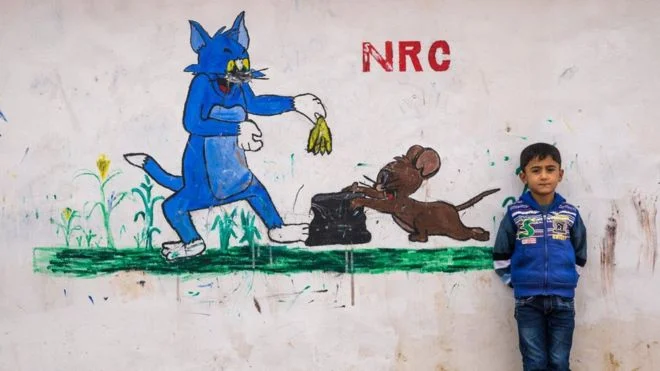
Tom and Jerry's cartoon in a refugee camp in Iraq
In fact, things may not be that simple. The translator of this article has been identified as a child with Tomy, a cat, because the fable was revealed in the form that was anticipated. As all the children waited happily for victory at the end of Jerry, the mouse, the anxious translator knew that Tomy would suffer without guilt.
According to him, Tomy was actually oppressed by opressors, which were both cartoonmakers, whether the circumstances created by them or even the mouse that often made a very unnecessary impact.
In addition, while Tomy's character represented most negatively cats in general, cats are the ones that are most massively held in homes and considered to be closer allies with people than rats. /Periscope
 4 hours ago