28 minutes ago
According to The Economist, by 2022 in Kosovo there is mass vaccine against COVID-19
Periskopi(6 years ago)
(6 years ago)Europe is preparing for massive vaccines with anti-vaccination COVID-19. In a typical year, Velodom, a closed arena in Berlin that can catch within 12,000 people, hosts sports events, trade performances and concerts. This year, the biggest concert being prepared for is a massive vaccine. But Kosovo is too far [...]
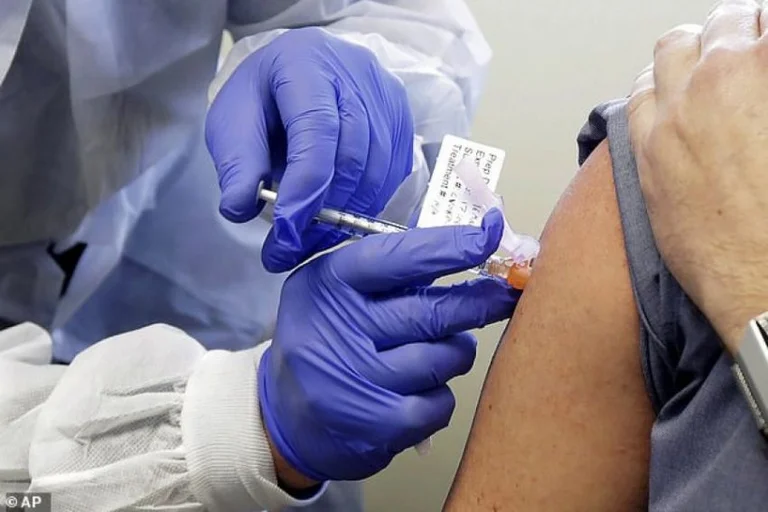
Europe is preparing for massive vaccines with anti-vaccination COVID-19.
In a typical year, Velodom, a closed arena in Berlin that can catch within 12,000 people, hosts sports events, trade performances and concerts. This year, the biggest concert being prepared for is a massive vaccine.
But Kosovo is far from such a situation. Just in April 2022 until 2023, Kosovo is expected to have anti-vaccinations available COVIDD-19 and vaccinate citizens massively. The same applies to other Balkan countries, suggests a British weekly report, The Economist.
The report emphasises that rich countries will have access to vaccines against Coronavirus earlier than others. While the last countries where anti vaccines are expected to be available - CO VID, according to the report, are mostly those of the Balkans, where Kosovo is part of.
The rich “countries will first have access to mass vaccine. For poor countries, waiting will be until 2024 (at best)”, said Agat Demarais, director of the publication, showing a map about data.
Meanwhile, Kosovo expects early in the new year to provide these vaccines. Health Ministry spokesman Faik Hoti has said they are trying to do so.
The efforts are to provide these vaccines in the first month of 2021 and start the vaccine process, but this is a question that's under way because you know that only one vaccine was approved for use and we can't determine how fast the other” will have, he said.
According to The Economist, the United States, most of Europe and Japan rank first in the order of implementing this supposed solution to end pandemic.
“

Specialist Fernando Gotuszo explained that current vaccines from Pfizer are applying as urgency, but according to him it has not yet been confirmed that as long as they are recorded, or if the recipient can infect others or not. Everything is still being studied. It's a new illness”, he said.
Meanwhile, two of Berlin's unused airports and other countries are also returning to vaccination centres. The plan is to be ready to vaccinate 20,000 berlines per day for six weeks. This would constitute 10% of the city's residents, mainly very elderly.
Germany is rushing to create more than 430 mass inoculation sites. It is also organising vaccine teams for nursing homes. In the spring, vaccines will become available at doctors' offices. Mobile teams will also visit the sick at home.