12 minutes ago
Consider how he had fallen CIA Iranian government for four days with a couple of combs
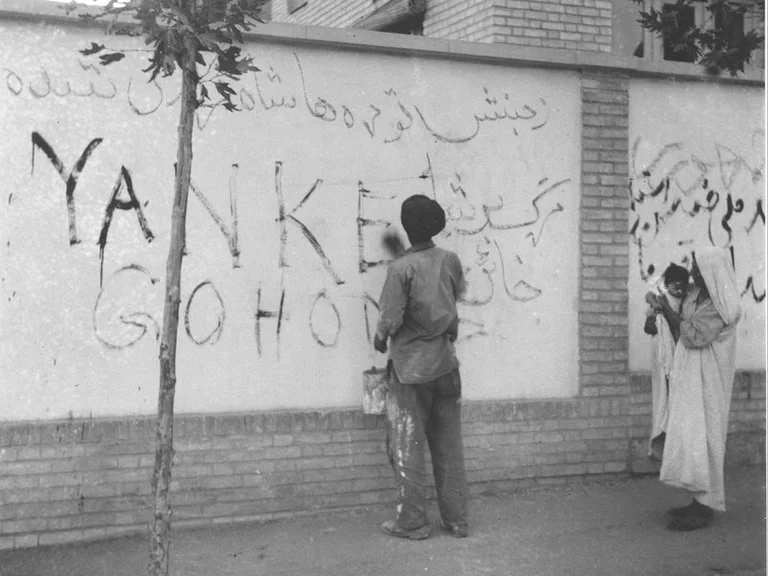
Periskopi(6 years ago)
(6 years ago)On August 19, 2013, The US CIA for the first time publicly acknowledged that it had been behind the 1953 stamp against Iranian Prime Minister-elect Mohammad Mossadegh. The documents provided details of the CIA's plan at the time, which was led by senior official Kermit Roosevelt Jr, the great-great-great-great-great-great-great-son of US President Theodore Roosevelt. [...]
Documents They offered details of the CIA's plan at the time, which was led by senior official Kermit Roosevelt Jr, the great-great-great-great-great-great-great-great-great-son Theodore Roosevelt.
During a only four-day period in August 1953, Roosevelt orchestrated not just one, but two attempts to destabilise Iran's government, thus permanently changing the relationship between the country and the United States, Pryscope is presented by the NPR.
Mohammad Mossadegh was a very loving and popular figure in Iran. During his period in government, he made a series of social and political policies, one of the significant was the normalisation of the Iranian oil industry.
Great Britain had controlled Iranian oil for decades. After months of talks, the prime minister had withdrawn from the talks and had refused Britain any further involvement in the Iranian oil industry.
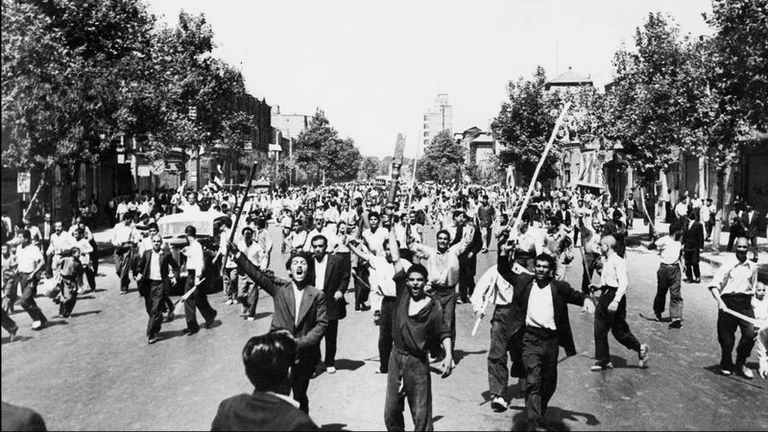
Britain had sought help from the United States, which would later orchestrate with the CIA the collapse of Mossadegh by power and the deployment of Mohammad Reza Paglavi, the country's latest chess.
According to the author of the book “All the people of the Cheah”, Stephen Kinzer, Roosevelt soon took over Iranian media by buying them and spreading anti-Mossadeghian propaganda. He had recruited allies among the hoes, and had convinced the chess that Mossadegh was a danger to the interests of the country.
The last step was a dramatic attempt to capture Mossadegh at his house in the middle of the night. But the pimp failed. Mossadegh learned this and fought. The next morning, he announced victory over the stamp on the radio.
When he thought everything had gone well, Roosevelt had appeared again. He had orchestrated a second stamp that succeeded.
Mossadegh was tried and spent his entire life under house arrest. Shah returned to power and held it for 25 years until the Iranian Revolution of 1979. /Periscope