20 minutes ago
The death of Qasssem Solemann is compared to the death of Franz Ferdinand
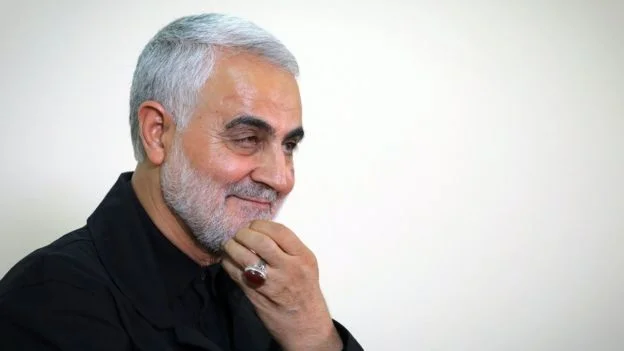
Periskopi(6 years ago)
(6 years ago)Iranian Major General Qasssem Solejmani, commander of Revolutionary Guard elite Forces, has helped Iran fight across third parties throughout the Middle East. He promoted paramilitary forces on the ground and negotiated with political leaders. His death Friday by an air strike on his convoy at Baghdad Airport [...]
He promoted paramilitary forces on the ground and negotiated with political leaders. His death Friday by an air raid on his convoy at Baghdad Airport marked the end of Iran's top intelligence and secret military operations from abroad. The Pentagon said the air strike aimed to discourage Iran's future attacks.
Qasssem Solejmani was the head of Iran's illegal operations abroad. It was often seen on the battlefield leading Shiite groups in the fight against the Islamic State. His death Friday by an air strike on his convoy at Baghdad Airport marked the end of a well-known man in his country and taken into note by the United States, Israel and Tehran's main rival, Saudi Arabia.
One of the Iraqi militia commanders Abu Mahdi al-Muhandis was killed along with him. Both are seen as heroes of Iran's war, and state television covered them with praise shortly after their death was announced, Periscopi notes.
The United States declared the Revolutionary Guard a terrorist foreign organisation in 2019 as part of a campaign of maximum pressure to force Iran to negotiate its missile programme and nuclear policy.
General Soliman's death is similar to another murder 105 years ago, where a host of events occurred after that murder.
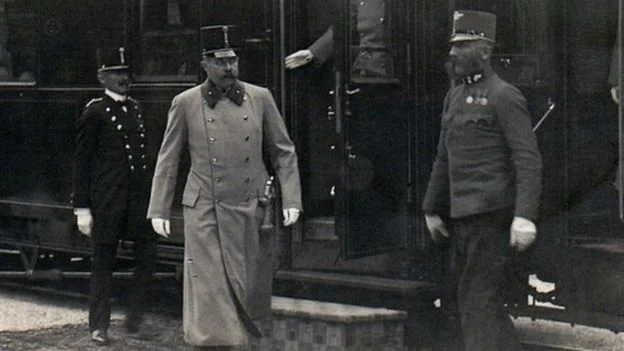
In June 1914, Arch Duke Franz Ferdinand was shot to death along with his wife in Sarajevo, Bosnia. He was the heir to the Austro-Hungarian empire.
He was killed by an 18-year-old Bosnian activist who was angry that the country was occupied by the Arch Duke Empire. After the shootings, the countries tried to participate, and it began a chain of events that led to World War I, there is Periscope.
Similarly, the flow of this event is expected to follow even after General Qassem Solemann's murder.
Ajatolah Khamenei, who made Soleiman head of the Kurdish Forces in 1998, in a statement following Solejman's death, said that the <x0kriminal” that killed him awaits a severe revenge. The Iranian leader added that his death, though bitter, would double resistance to the United States and Israel. /Periscope