Haradinaj accuses Kurti of energy failure: Where are thermal power plants and strategic investments?
 5 minutes ago
 (6 years ago)
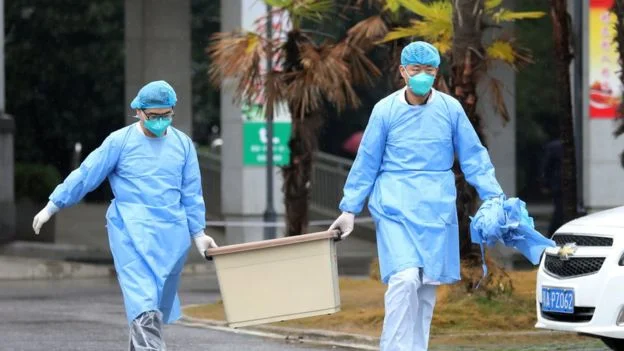
A deadly virus originating from China is getting more and more attention from world authorities. There has been no record in Albania, however, of the Public Health Institute in Albania has published useful information about what the Coronavius is, what the symptoms are, and what we should consider. Farther Down is the complete explanation of I DS: [...]
Farther Down is the complete explanation of I DSA:
1. What is Coronervirus?
Coronavirus are the family of viruses that cause disease from a mild shave to more serious diseases such as Middle Eastern Respiratory Syndrome (Middle East Respiratory Syndrome M The ERS) and the Ancient Acute Respiratory Syndrome (Svere Atsuete Respiratory Syndrome).
2. What's a new coronary?
The new Coronavirus is a new type of coronavirus that has never been identified in humans before.
3. Can humans be infected with the new coronary, where animals are the source of infection?
The extensive investigation into China in 2002 has revealed that SARS-CoV was broadcast from cats to people, and in Saudi Arabia in 2012 M was discovered. ERSCV from camels to people. There are some coronarys that are circulated into animals but that have not yet infected humans. As worldwide surveillance improves, more coronarys are likely to be identified.
4. What are the symptoms of a person infected with coronary?
Symptoms depend on the virus, but common symptoms include respiratory symptoms: fever, cough, gasp, and breathing difficulties. In the most severe cases, infection can cause pneumonia, severe acute respiratory syndrome, kidney insulin, and even death.
5. Is the coronary transmitted from man to man?
Yes, some coronarys can be transmitted from person to person, usually after close/close contact with an infected patient, at work environment, or at a health care center.
6. Is there a vaccine for this new type of coronary?
When a disease is new, there is no vaccine for it, and it may take several years to produce a new vaccine.
7. Is there a treatment/rejection for the new coronary?
There is no specific treatment for diseases caused by a new coronary. However, many symptoms can be handled depending on the patient's clinical state.
8. What should I do to protect myself?
Standard recommendations on reducing exposure and transmission of a number of diseases include the preservation of hand and respiratory hygiene, food hygiene practices, and avoiding close contact with any who show symptoms of respiratory diseases, such as coughing or sneezing.
9. Are health personnel endangered by the new coronary?
Yes, they may be endangered by the new coronary, as health - care personnel are in contact with patients more frequently than the general population. WHO recommends that healthcare personnel consistently implement appropriate measures of prevention and infection control.
10. What are the recommendations for seats?
O BSH encourages all countries to increase their surprise for severe acute respiratory infections (SARI), to look carefully at any unusual patterns of these infections or pneumonia and report O BSH for any suspected case or confirmed infection with the new coronary. Countries encouraged to continue strengthening their readiness for health emergencies in line with International Health Rule (2005)
 3 hours ago